There is not one magic month that works for every home. The best time of year for solar panel cleaning depends on your local soiling pattern, your roof exposure, and how quickly dust, pollen, ash, and bird droppings build up on the modules. NREL’s research shows that soiling losses change seasonally, and that dry periods, particulate matter, and rainfall patterns all affect how fast panels get dirty. In other words, the smartest cleaning schedule is based on your site, not the calendar alone.
The short answer: clean after your dirtiest season
If you want the most practical answer, clean solar panels after the period when they collect the most grime, not after you notice the bill has already climbed. NREL found that long dry periods can lead to higher soiling than rainy periods, and that seasonal patterns are essential for planning the right cleaning schedule. That means the best time of year is often right after the driest, dustiest, or smokiest stretch in your area, and before you want the system producing at its best.
Why timing matters so much
Solar panels lose performance when dust and other particles settle on the surface. NREL explains that the accumulation of dust on photovoltaic modules can reduce performance and affect the cost competitiveness of the system, which is why soiling mitigation should be planned early rather than treated as an emergency fix. DOE also notes that solar PV systems last for decades and perform better with proper operations and maintenance, so cleaning is part of protecting the long-term value of the system, not just making it look nice.
Best time of year in California: the practical windows
For California homeowners, the most useful cleaning windows are usually tied to local conditions instead of a fixed season. After wildfire ash events is one of the clearest examples, because DOE says ash should be removed to restore optimal working efficiency. The same DOE guidance recommends soap and water, and specifically says not to use high-pressure hoses, window cleaners, or rough cleaning tools that can damage the module surface.
Another smart window is after long dry, dusty periods. NREL’s seasonal soiling study found that dry periods and airborne particulate matter are strong predictors of soiling losses, which is why California homes in dry inland areas often need more attention than homes in rainier climates. If your panels sit in a dust-prone area, near trees, near a road, or in a wildfire-affected neighborhood, cleaning after the dirty season is usually more effective than waiting for the next storm to do the job for you.
Is rain enough to clean solar panels?
Rain can help loosen some surface debris, but it is not a dependable cleaning plan. NREL’s research shows that precipitation patterns are only one part of the soiling picture, and that dry periods, particulate matter, and local conditions matter just as much or more. That is why rain should be treated as a partial helper, not a replacement for actual solar panel cleaning.
For homeowners who ask, “Can I just wait for winter rain?” the practical answer is no. If your panels already have dust, ash, pollen, or droppings on them, rain may leave streaks, residue, or baked-on grime behind. The better approach is to clean before buildup becomes stubborn, then let rain be a bonus rather than your only maintenance strategy. That is especially true in California, where dry periods can be long and rainfall can arrive unevenly.
What about wildfire ash, pollen, and dust storms?
These are not minor inconveniences. They are the exact kinds of contamination that can make the cleaning schedule more urgent. DOE says that when PV modules are covered in ash, the system owner needs to remove the ash to restore efficient operation, and that soap and water should be used instead of pressure washing or window cleaners. NREL also notes that seasonal particulate matter and dry periods strongly shape soiling losses, which means pollen-heavy stretches and windy dusty periods can justify a cleaning even if it is not “time” yet on the calendar.
How often should solar panels be cleaned?
There is no universal schedule that fits every home, and NREL’s California-based soiling research shows why. Even nearby sites can soil differently, and the uncertainty can increase over distance, which means a neighbor’s cleaning routine is not automatically the right one for your roof. NREL even found that soiling strategy should be planned before the system is operational, because local conditions matter so much.
A good rule of thumb is to inspect often and clean when buildup becomes visible or when production drops without a clear reason. In Norco and other dry California areas, that often means checking more frequently during dusty months and after any ash event. For some properties, that may be a couple of times a year; for dustier or more exposed roofs, it may be more often. The right schedule is the one that matches your panel’s actual conditions, not a generic one-size-fits-all rule.
What is the safest way to clean solar panels?
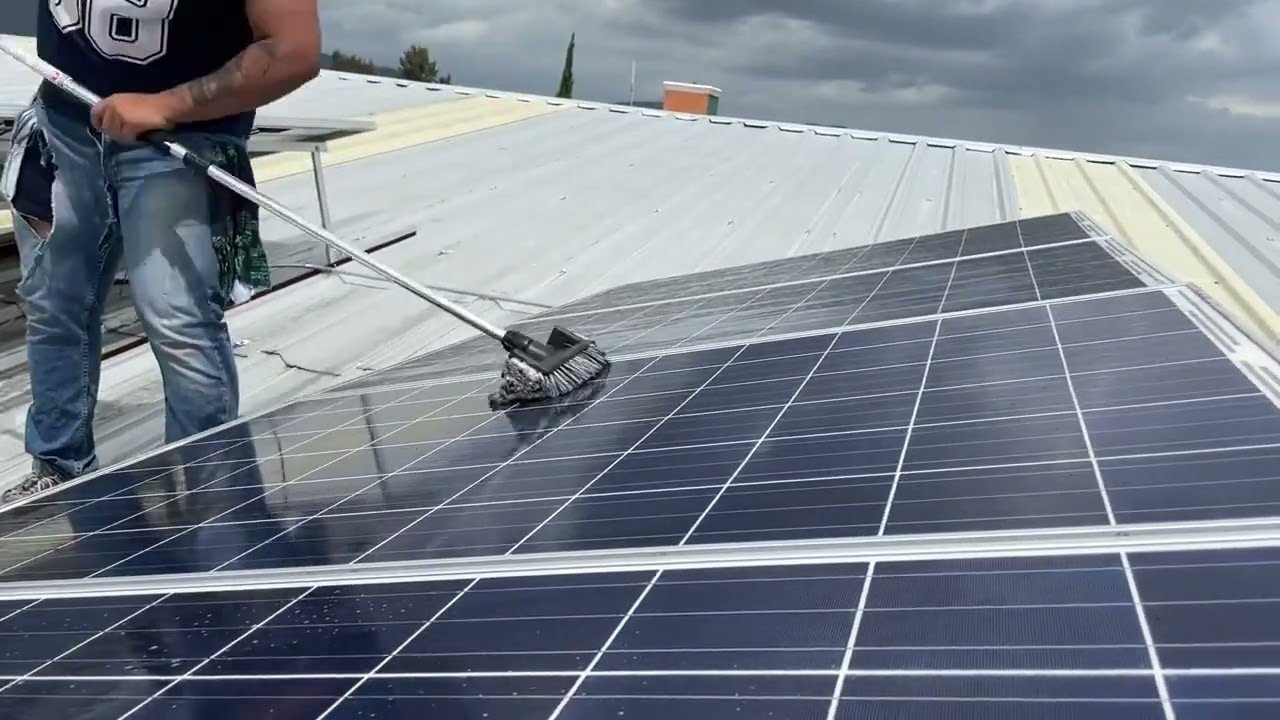
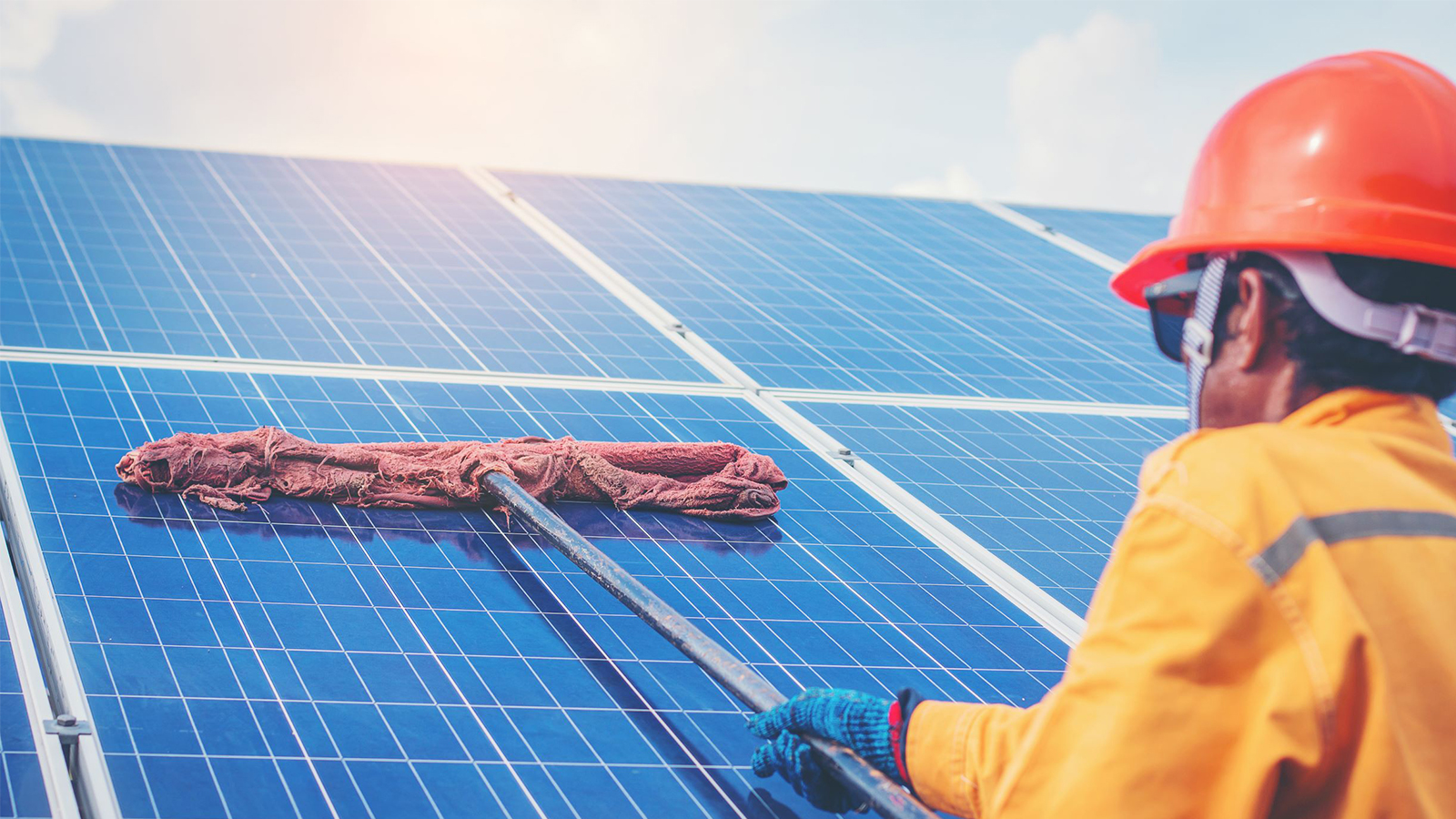
DOE’s wildfire guidance is the clearest practical standard here: use soap and water, avoid high-pressure hoses, avoid conventional window cleaners, and avoid regular rags, towels, or brooms that are not designed for PV modules. The goal is to remove grime without damaging the glass surface or lowering efficiency. That advice applies especially well after ash, but it also works as a general safe-cleaning rule for residential systems.
For homeowners asking, “Should I pressure wash my solar panels?” the answer is no. High-pressure hoses can damage the module surface, and the wrong cleaner can leave behind a film that hurts performance. The safest method is usually a gentle wash with the correct tools, followed by a careful rinse. If the panels are on a steep roof or the buildup is heavy, a professional solar panel cleaning service is the better choice.
A practical seasonal plan for Norco and much of California
For Norco homeowners, the best routine is usually to treat solar cleaning as a seasonal maintenance task tied to dust, ash, and dryness. A visual check after the driest months, after windy periods, and after wildfire ash exposure is a smart starting point. Then clean when you see buildup starting to matter, rather than waiting until the system is obviously underperforming. That approach matches NREL’s seasonal soiling findings and DOE’s maintenance guidance on protecting PV performance over time.
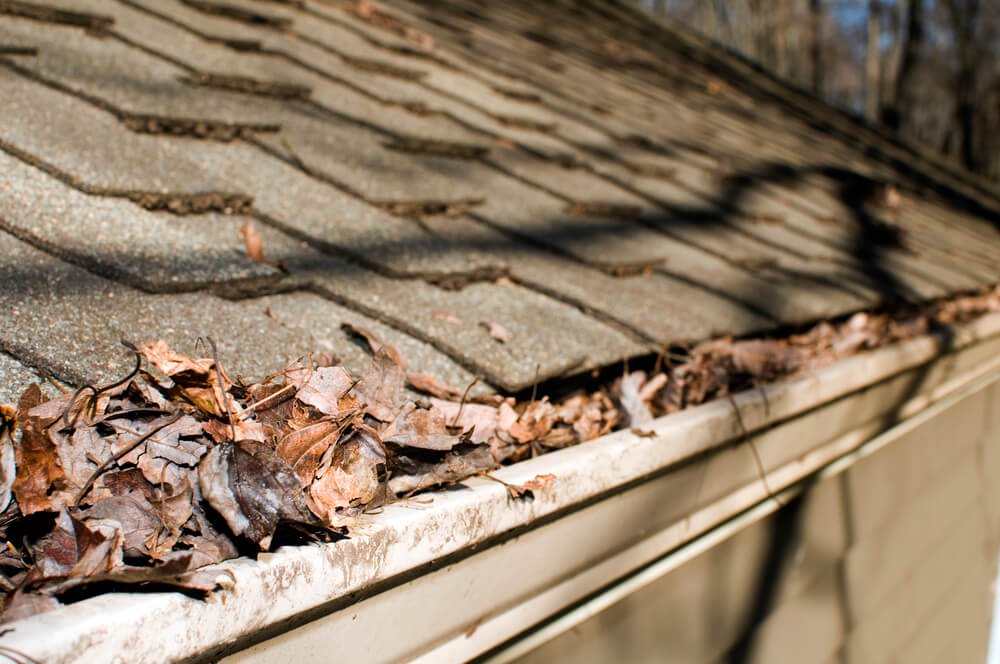
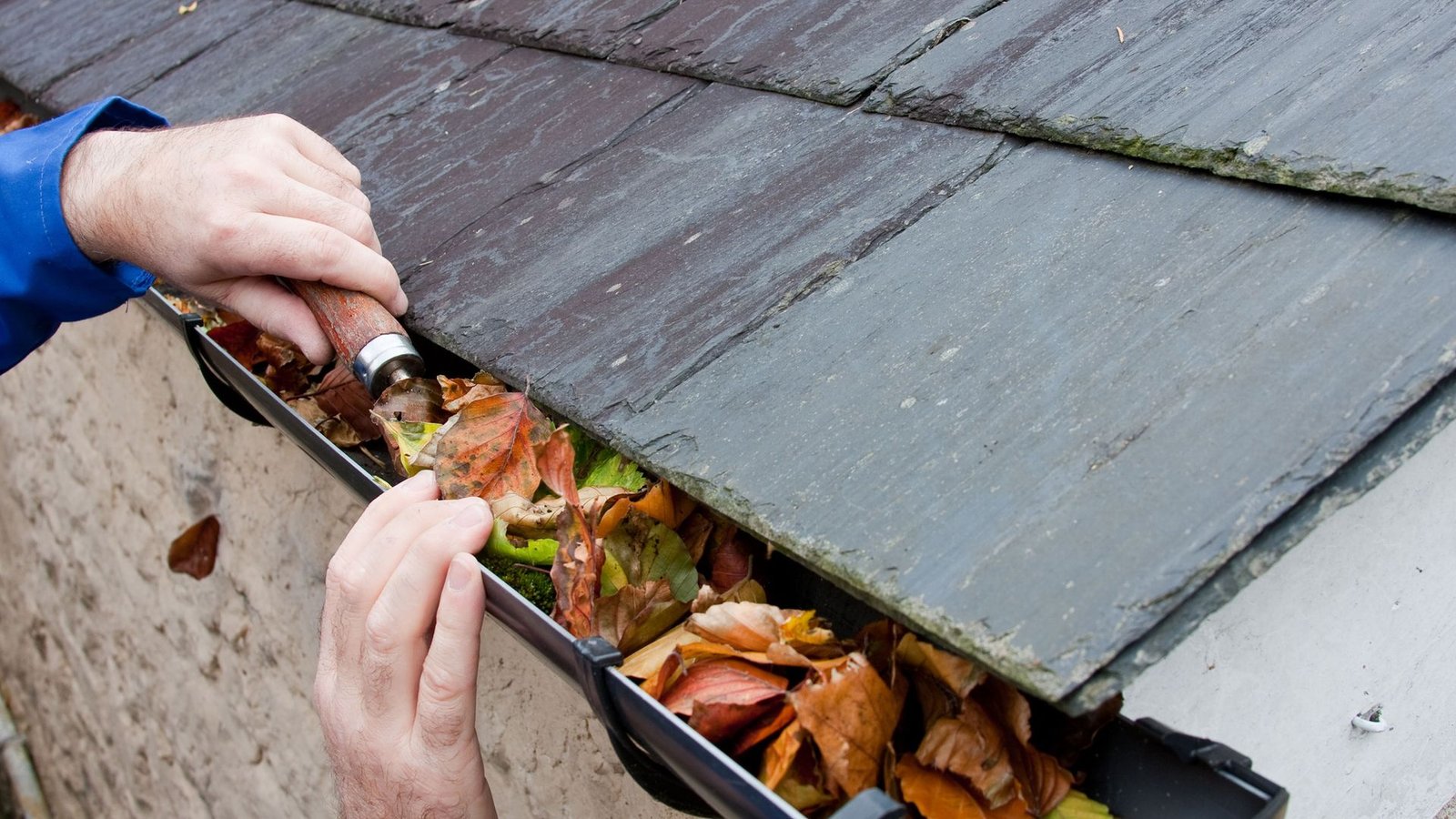
If your home also has roofline debris, tree cover, or clogged gutters, the roof can get dirty again faster than expected. Cal OES advises California homeowners to remove leaves and debris from gutters, eaves, porches, and decks to prevent embers from igniting the home, which is a reminder that roof maintenance in California is both a cleaning issue and a safety issue. For homeowners who want one local team to handle both the roofline and the panels, All American Cleaning is a practical option to consider in Norco.
Queries homeowners ask all the time
What is the best month for solar panel cleaning?
There is no single universal month. The better answer is to clean after your dirtiest season and before you need peak output, because soiling varies with dry periods, particulate matter, and local weather patterns.
Should I clean solar panels after wildfire ash?
Yes. DOE says ash should be removed to restore optimal working efficiency, using soap and water and avoiding high-pressure hoses and window cleaners.
Can rain clean solar panels well enough?
Not reliably. Rain is only one factor in seasonal soiling, and NREL shows that dry periods and particulate matter strongly influence how dirty panels get over time.
How often should solar panels be cleaned in California?
It depends on your local exposure. NREL shows that even nearby California sites can soil differently, so the safest answer is to inspect regularly and clean based on actual buildup and performance rather than on a fixed schedule alone.
Final takeaway
The best time of year for solar panel cleaning is the time just after your panels have gone through their dirtiest stretch. In California, that usually means after dusty, windy, ash-heavy, or pollen-heavy periods, and before you want maximum output from the system. NREL’s seasonal soiling research and DOE’s cleaning guidance both point to the same practical truth: the right cleaning schedule is local, seasonal, and preventative.
If you keep solar panels clean at the right time, you protect output, reduce the chance of stubborn buildup, and make maintenance easier over the long run. That is the sweet spot: not too early, not too late, just in time to keep the system earning its keep.