Most homeowners do not think much about their gutters until it rains and water suddenly starts pouring over the edge.
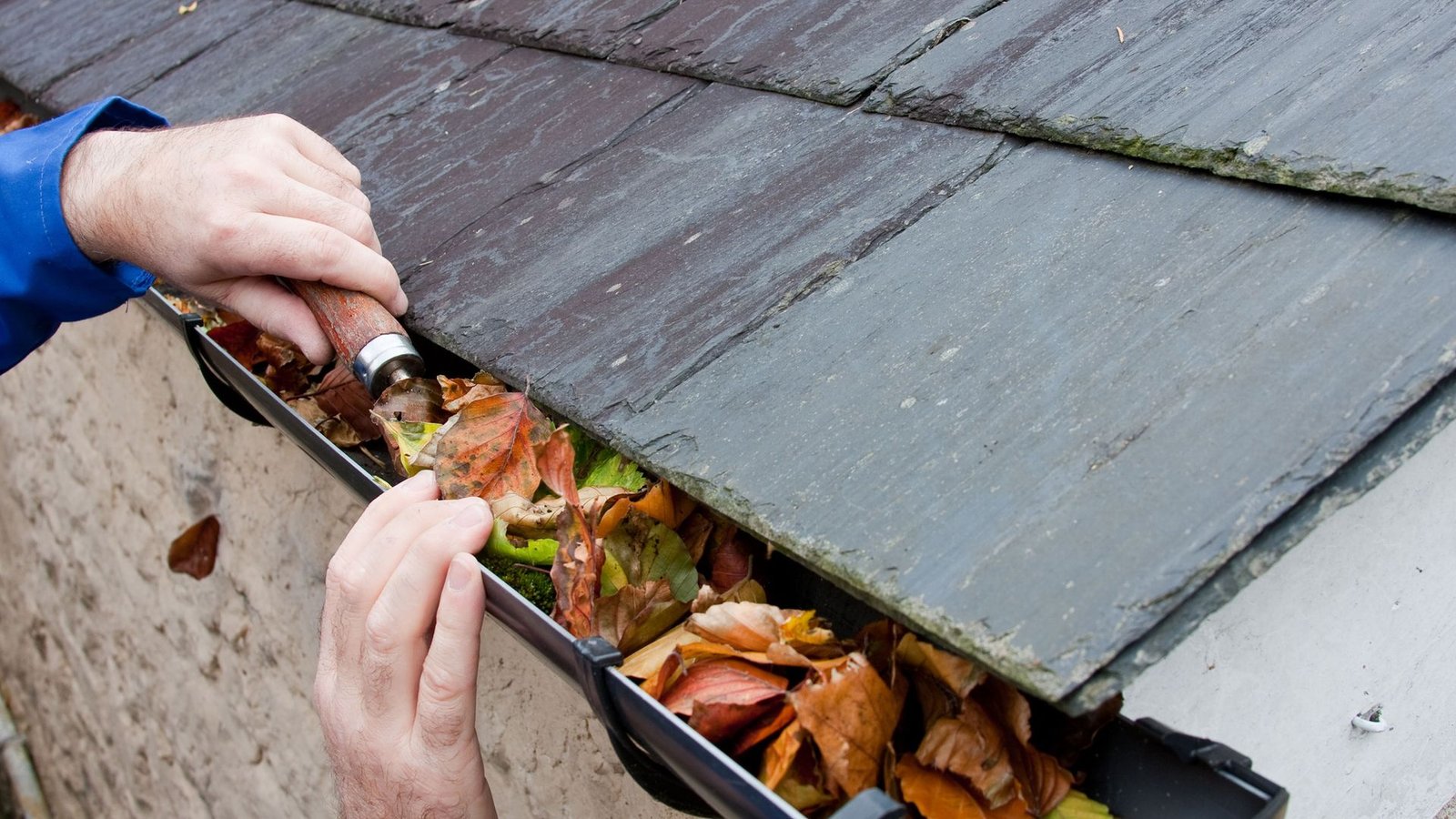
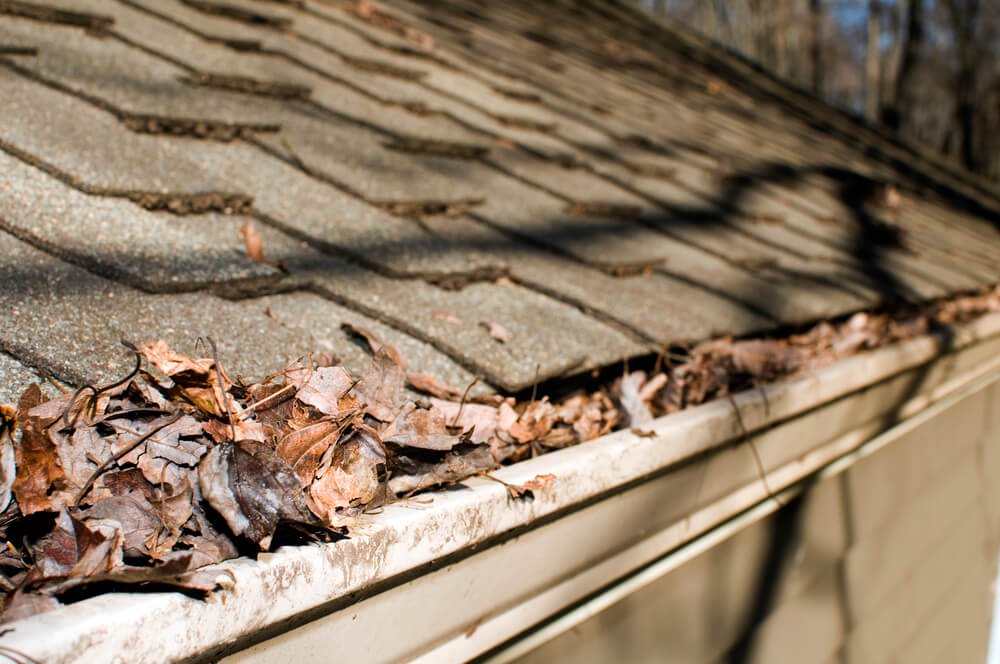
A few leaves sitting in the gutter may not seem like a serious problem. But when those leaves mix with twigs, dirt, pine needles, roof grit, and other debris, they can gradually block the path rainwater is supposed to take. Once that happens, water can overflow, collect where it should not, and start creating problems around the roof line, exterior walls, landscaping, and foundation.
So, what happens if you never clean your gutters?
Nothing may happen immediately. Then, after enough debris builds up and the wrong rainstorm comes along, a small maintenance issue can turn into a much bigger home-maintenance problem.
The good news is that most gutter problems become easier to manage when you catch them early.
Why do gutters need to be cleaned in the first place?
Gutters have one simple job: collect rainwater from the roof and direct it toward downspouts so it can be carried away from the house.
The problem is that gutters are open to everything that lands on a roof.
Over time, they can collect:
- Leaves and pine needles
- Small branches and twigs
- Seeds and organic debris
- Dirt and roof granules
- Mud and decomposing plant material
- Bird nests or other debris
As that material accumulates, the gutter becomes less effective at carrying water. A blocked downspout can make the situation even worse because water has nowhere to go.
Regular gutter maintenance is generally recommended at least once or twice a year, with more frequent attention for homes surrounded by trees or exposed to heavy debris.
The important point is that cleaning gutters is not really about making them look neat. It is about keeping a water-management system working properly.
1. Water starts overflowing over the side of your gutters
This is usually the first problem homeowners notice.
When rainwater cannot move freely through the gutter and downspout, it may spill over the front edge instead.
You might see a waterfall-like stream during a storm, water running down the siding, or puddles forming directly below the roof line.
That overflow is more than a cosmetic annoyance. The gutter is effectively telling you, “I cannot move this water where it needs to go.”
And once water leaves the gutter system, you lose control over where it lands.
2. Water can collect around your foundation
This is one of the biggest concerns with neglected gutters.
A properly functioning gutter system helps move roof runoff away from the base of your house. When gutters overflow, a large amount of water can fall directly beside the foundation instead.
Over time, repeated saturation can contribute to soil erosion and moisture problems around the foundation. Water can also find its way through existing cracks, joints, or other vulnerable areas of a basement or foundation.
That does not mean every clogged gutter will cause foundation damage. Drainage conditions vary from property to property. But if you repeatedly notice water pooling next to the house after rain, neglected gutters should be one of the things you investigate.
What should you look for?
Check for:
- Standing water near the foundation
- Muddy or consistently saturated soil
- Erosion around the downspout area
- Damp basement areas after storms
- Water stains along lower exterior walls
Catching these signs early gives you a chance to correct drainage before the problem becomes more complicated.
3. Your fascia boards can begin to rot
The fascia is the board along the roof edge where many gutter systems are attached.
When gutters are clogged and water repeatedly spills backward or over the edge, moisture can stay in contact with the fascia for extended periods.
Wood that remains wet over and over can deteriorate.
You may eventually notice:
- Soft or crumbly wood
- Discoloration
- Peeling paint
- Water stains
- Loose sections of gutter
- Areas where the gutter no longer sits securely
State Farm specifically notes that the weight of accumulated debris can also pull gutters away from the house and contribute to damage involving the roof and fascia.
This is one reason a gutter cleaning visit should not be treated as simply scooping out leaves. Once gutters have been neglected, the system itself should be inspected for signs of damage.
4. Your gutters can become heavy and start sagging
A few dry leaves do not add much weight.
A thick layer of wet organic debris is another story.
When gutters stay clogged through multiple seasons, accumulated material can become heavier and hold moisture. That added load can contribute to sagging, loose fasteners, or sections pulling away from the home.
Sagging is important because gutters need to maintain the right path for water to reach their downspouts.
Once a section dips, water may start sitting inside the gutter rather than draining properly. That creates a cycle:
Debris causes blockage → blockage causes standing water → standing water adds weight → gutter sags → drainage gets worse.
At that point, simply removing the leaves may not completely solve the problem.
5. Roof-edge and roof problems can develop
A neglected gutter does not automatically mean your roof will fail. However, persistent water overflow around the roof edge can contribute to moisture-related damage, particularly when drainage problems continue for a long time.
Home-maintenance guidance from This Old House notes that clogged gutters can contribute to roof leaks, foundation problems, and landscape erosion.
This is why homeowners should pay attention to stains or signs of moisture around the roof line instead of assuming an overflowing gutter is harmless.
A gutter problem can sometimes be the visible symptom of a bigger drainage issue.
6. Your landscaping and soil can erode
Rain falling from a roof is concentrated water.
A gutter and downspout are designed to control that flow. When water starts dumping over the side of the gutter, it can repeatedly hit flower beds, soil, mulch, or other areas below.
The result may be:
- Washed-out soil
- Mulch being displaced
- Exposed roots
- Muddy areas
- Damaged plants
- Erosion around the home
This may look minor compared with a foundation problem, but it is still a sign that rainwater is no longer being controlled properly.
7. Moisture can create a more inviting environment for pests
A gutter packed with decomposing leaves and standing water is not exactly a five-star resort, but insects may disagree.
Organic debris can create habitat for bugs, while standing water can attract mosquitoes and other pests. Overflow can also contribute to damp or rotting areas around the home, which can make exterior conditions more attractive to some pests.
That is another reason to deal with clogged gutters before they become a long-term moisture problem.
8. Mold and mildew become easier to support in persistently damp areas
Mold and mildew need moisture.
A gutter system that repeatedly overflows against the roof edge, siding, or foundation can contribute to persistently damp conditions.
For example, you might notice:
- Dark stains on exterior surfaces
- Dampness around the foundation
- A musty basement
- Persistent moisture after rainfall
Clogged gutters are not the only possible cause of these problems, so it is important to look at the whole drainage system. But they can be one piece of the puzzle.
9. Small gutter problems can become repair problems
This is the part many homeowners underestimate.
A gutter cleaning problem may start with a $0 issue: leaves sitting in a gutter.
Later, that same neglected system may involve:
clog → overflow → wet fascia → loose gutter → drainage problems → moisture intrusion
Not every home will follow that exact sequence, and some properties experience only minor issues. But the longer a drainage problem remains unresolved, the more opportunities there are for secondary damage to develop.
That is why preventative gutter maintenance is usually much simpler than waiting for visible damage.
What if you have not cleaned your gutters in years?
This is where homeowners often make one of two mistakes.
The first is ignoring the problem because the house appears fine.
The second is assuming that one quick rinse with a hose will fix everything.
A better approach is to treat long-neglected gutters as a system inspection, not just a debris-removal job.
Start with these checks:
Look inside the gutter.
Is it filled with dry leaves, wet sludge, or compacted debris?
Check the downspouts.
A clean gutter does not help much if the downspout is blocked.
Look for standing water.
After cleaning, water should be able to travel toward the downspout rather than sitting in low spots.
Inspect the gutter line.
Look for sagging, separation, rust, cracks, loose sections, or visibly damaged hardware.
Check around the house.
Look for erosion, unusual puddles, damp foundation areas, or signs of repeated overflow.
Watch the system during rainfall.
This is often when drainage problems become obvious.
If you discover damage while cleaning, fixing the underlying issue matters just as much as removing the debris.
How often should gutters be cleaned?
There is no single schedule that works for every house.
For many homes, cleaning in spring and fall is a practical starting point. Homes beneath mature trees, especially trees that shed needles or heavy leaf debris, may need more frequent attention.
You should also consider checking your gutters after major storms if your property tends to collect branches or leaves.
The better question is not simply, “How many times a year should I clean my gutters?”
It is:
“How quickly does debris build up on my house?”
A home surrounded by trees may need a very different maintenance schedule from a home with little vegetation nearby.
Do gutter guards mean you never have to clean your gutters?
No.
Gutter guards can reduce the amount of debris entering the gutter system, but they do not make maintenance disappear.
Leaves, needles, dirt, and fine particles can still collect on or around the system, and some debris can continue to reach the gutter itself. This Old House notes that even homes with gutter guards may still need periodic cleaning.
Think of gutter guards as a maintenance aid, not a permanent exemption from maintenance.
Can you clean neglected gutters yourself?
Sometimes.
For a low, easily accessible gutter system, a homeowner may be able to remove debris safely using appropriate equipment.
The bigger issue is access and fall risk, not whether you can scoop leaves.
OSHA ladder guidance emphasises using a properly selected ladder, inspecting it before use, placing it on a stable surface, maintaining a safe working position, and not carrying loads that could compromise balance.
A practical rule is simple:
Do not turn a gutter-cleaning job into a ladder accident.
If the roof is steep, the gutters are difficult to reach, the ground below is uneven, or you would need to overreach or step onto the roof to finish the job, professional help is the safer choice.
When should you hire a professional gutter cleaner?
Consider professional gutter cleaning when:
- The home is two stories or otherwise difficult to access
- The roof has a steep pitch
- There is no stable place to position a ladder
- Gutters have years of built-up debris
- Downspouts appear seriously blocked
- Gutters are sagging or pulling away
- You notice water intrusion or foundation moisture
- You are not comfortable working at height
A professional can also spot problems that are easy to miss from the ground, such as loose sections, damaged hangers, blocked downspouts, or areas where water is not draining correctly.
For homeowners in Norco and nearby Southern California communities, professional gutter cleaning can be particularly useful when you would rather identify drainage problems early than discover them during the next heavy rain.
What should you do if your gutters are already overflowing?
Do not wait for the next storm to see whether the problem fixes itself.
Start by determining whether the issue is:
- Debris blocking the gutter
- A clogged downspout
- Standing water caused by poor gutter slope
- A damaged or sagging gutter section
- A drainage problem beyond the gutter itself
Cleaning the debris may solve a simple clog. But if water still pools or overflows afterwards, the system may need repair rather than another cleaning.
This distinction matters because a clean gutter can still drain poorly if the gutter or downspout has a structural problem.
Final takeaway: neglected gutters are a small problem that can travel
The biggest misconception about gutters is that they are just an exterior accessory.
They are actually part of your home’s water-management system.
When they are maintained, rainwater has a controlled route away from the house. When they are neglected, that water can start taking its own route.
Sometimes the first sign is an overflowing gutter. Sometimes it is a sagging section. Sometimes it is a muddy patch beside the foundation or a water stain that appears after every storm.
The goal is not to panic over every leaf in your gutter.
The goal is to catch drainage problems before they become repair problems.
For most homeowners, that means checking gutters regularly, cleaning them before significant debris buildup, making sure downspouts are clear, and paying attention to what happens around the house when it rains.
And when the height, condition, or access makes the job unsafe, bringing in a professional gutter cleaning service is often the more sensible option.