You invested in solar panels to generate electricity, manage energy costs, and make better use of the sunlight reaching your home. So, when the panels start looking dusty or your system seems to be producing less power than usual, it is natural to wonder whether they need a good cleaning.
But cleaning solar panels is not as simple as spraying them with a garden hose and scrubbing away every visible mark. The wrong brush, unsuitable cleaning chemicals, mineral-heavy water, or an unsafe approach to roof access can create problems that cost more than the cleaning itself.
The good news is that maintaining solar panels does not have to be complicated.
With the right solar panel cleaning tips, you can identify when cleaning is actually necessary, choose appropriate tools, deal with stubborn dirt, and avoid methods that may damage the glass, coatings, seals, or electrical components. Just as importantly, you can learn when rain is enough, when professional cleaning makes more sense, and when lower energy production may have nothing to do with dirt.
This guide walks you through the practical details so you can make informed decisions about your solar panel maintenance.
Why Is Solar Panel Cleaning Important?
Solar panels need sunlight to generate electricity. Dust, pollen, bird droppings, leaves, and other deposits can reduce the amount of light reaching the cells when they accumulate on the glass.
However, not every dirty-looking panel experiences a significant drop in performance. The effect depends on the type and amount of debris, local weather, panel angle, rainfall, and how long the buildup has been present.
For example, a light layer of dust after a dry week may have little noticeable impact on one system, while sticky pollen or repeated bird droppings can create more persistent obstructions on another.
Research led by the U.S. National Renewable Energy Laboratory (NREL) found that pollen buildup affected production at several utility-scale solar sites in North Carolina. During peak pollen season, performance fell by as much as 15% at the studied sites, and rain alone did not fully restore the previous performance levels. Those findings demonstrate why regular rainfall cannot be assumed to clean every array adequately, but the percentages should not be treated as a prediction for every residential system. NREL’s research summary.
The practical takeaway is simple: clean panels when the buildup and available performance evidence justify it, not merely because a calendar says it is time.
7 Signs Your Solar Panels May Need Cleaning
Before gathering equipment, determine whether cleaning is likely to help. A quick visual inspection from a safe location, combined with your system’s performance monitoring, can help you make that decision.
1. A Visible Layer of Dust Covers the Glass
Dust is especially common during prolonged dry weather, construction projects, landscaping work, or periods of strong wind.
A light coating may wash off naturally. A thicker layer can remain on the glass, particularly when moisture causes fine particles to stick together.
What to do: Inspect the panels from the ground. If the deposits are widespread and persistent, compare your system’s recent production with its usual output under similar weather conditions before arranging a cleaning.
2. Bird Droppings Have Stuck to the Panels
Bird droppings are different from loose dust because they can dry into stubborn patches. Rain may soften the deposits without removing them completely.
These localized patches can obstruct sunlight, making them worth addressing when they are persistent or substantial.
What to do: Allow clean water to soften the deposit before gently removing it with a soft, non-abrasive cleaning tool. Never scrape dried droppings with a blade or abrasive pad.
If birds regularly perch or nest around your array, consider asking a qualified solar professional about suitable deterrents that will not damage the panels or interfere with their mounting system.
3. Yellow or Greenish Pollen Has Built Up
Pollen may look harmless, but seasonal buildup can be stubborn. It is particularly relevant to homeowners who have trees, gardens, or vegetation near their properties.
Rain can remove some pollen, but research from NREL shows that it may not remove enough to restore performance at every site. Read the NREL findings.
What to do: Check the panels after the main pollen season. If a visible film remains, consider gentle cleaning according to the panel manufacturer’s instructions.
4. White Spots or Streaks Remain After Rain
White marks often come from minerals left behind as water evaporates. Hard water contains dissolved minerals that can leave visible deposits on glass.
Repeatedly spraying the panels with mineral-rich water may make the problem worse rather than better.
What to do: For future cleaning, consider deionized or otherwise purified water that leaves fewer mineral residues. If existing deposits resist a gentle rinse, consult the manufacturer’s cleaning instructions instead of reaching immediately for acids or stronger chemicals.
5. Leaves, Twigs, or Other Debris Are Trapped Near the Array
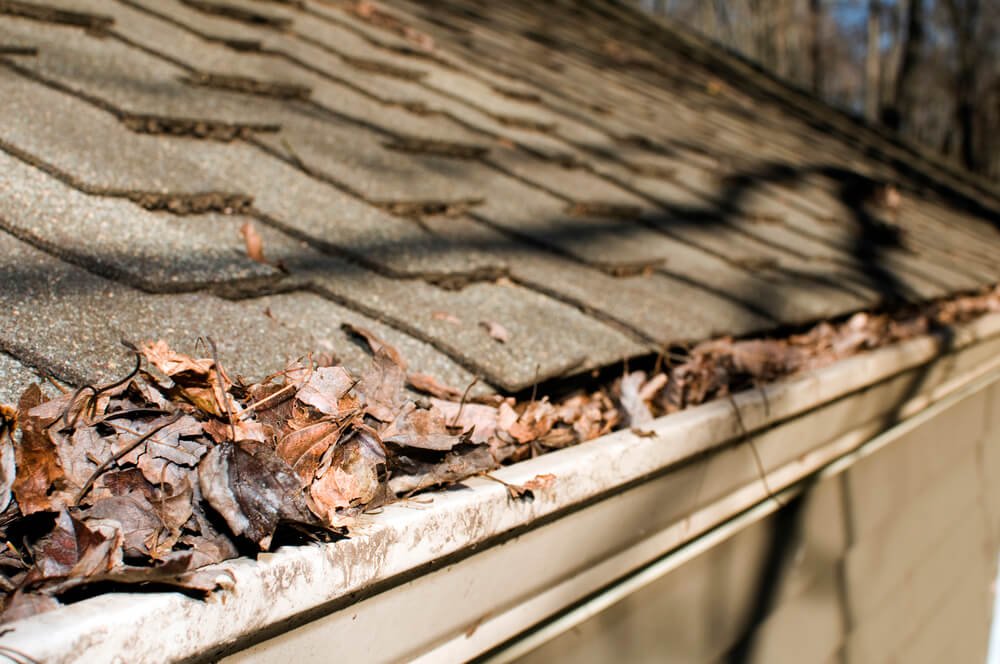
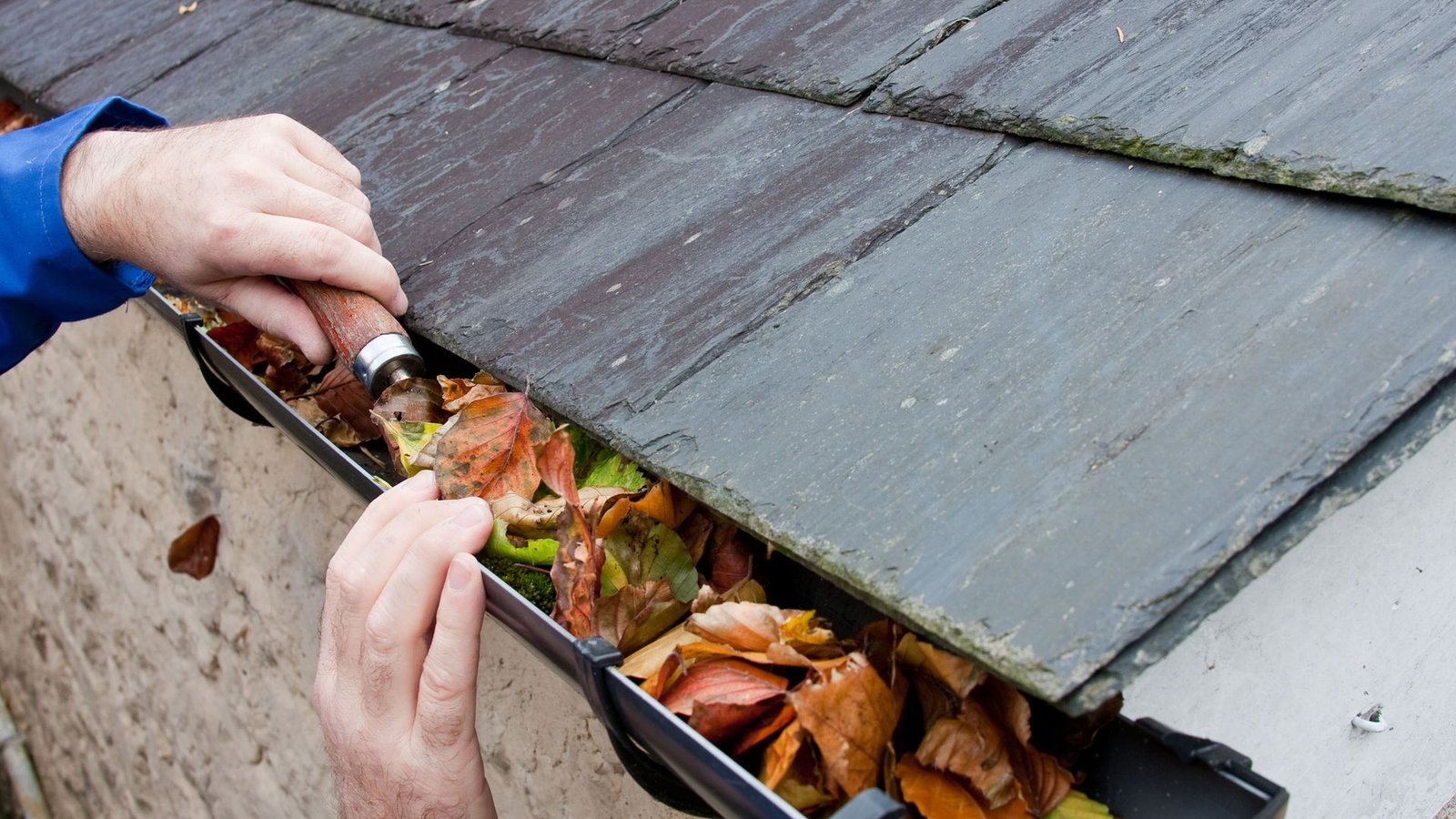
Leaves can accumulate around panel edges, mounting hardware, or nearby roof drainage areas. Branches may also create shade as trees grow.
Not all debris creates the same problem. Material covering the glass can obstruct sunlight, while debris around mounts or drainage paths may require a different maintenance response.
What to do: Remove only accessible loose debris without reaching across the roof or touching electrical components. Have a qualified professional handle material trapped beneath the array or in difficult-to-reach locations.
6. Your Solar Production Has Dropped Unexpectedly
If your monitoring app shows lower production, dirty panels are one possible explanation, but they are not the only one.
Cloud cover, shorter daylight hours, shading, inverter faults, electrical problems, and normal changes in operating conditions can all affect output.
What to do: Compare several days of production with similar periods, taking weather and seasonal sunlight into account. If the panels are visibly dirty, cleaning may be a reasonable next step. If output remains unusually low, investigate other possible causes instead of repeatedly cleaning the glass.
7. Rain Has Not Restored the Panels’ Appearance
Rain can help rinse away loose dust, particularly on panels with sufficient tilt for water to drain off. However, it is not a guaranteed substitute for cleaning.
Pollen, bird droppings, sticky residue, and mineral deposits may remain after a storm. A shallow panel angle can also encourage debris to accumulate near the lower edge.
What to do: Inspect the glass after rainfall. If the buildup is still visible and cleaning is justified, use an appropriate gentle method rather than assuming another storm will solve the problem.
The Best Solar Panel Cleaning Tips to Follow Before You Start
Good cleaning begins with preparation. A few sensible decisions can prevent scratches, water spots, unnecessary work, and avoidable safety risks.
Check Your Solar Panel Manufacturer’s Instructions First
This is the most important step.
Different solar panels may have different cleaning requirements. One manufacturer may permit a particular mild cleaning solution, while another may specify water-only cleaning or restrict certain tools and equipment.
Before cleaning, check:
- The module manufacturer’s maintenance instructions.
- The approved cleaning tools and water requirements.
- Any restrictions on cleaning chemicals or pressure.
- The terms of your product warranty.
- Whether your roof and mounting arrangement require professional access.
For example, REC’s panel-cleaning guidance warns against high-pressure cleaning equipment and metallic cleaning tools. Its guidance also discusses using a soft sponge, microfiber cloth, or non-abrasive brush for appropriate cleaning tasks.
Do not assume that a method permitted for one panel brand is automatically suitable for another.
Choose a Cool Time of Day
Avoid cleaning hot panels under strong midday sunlight.
Hot glass can cause water to evaporate quickly, leaving streaks or mineral deposits. A sudden temperature change may also create thermal stress.
Early morning, after the panels have cooled, is often a practical option. Mild, calm conditions also make the work easier.
Never begin roof work when the surface is wet, slippery, or affected by strong winds.
Gather the Right Cleaning Equipment
You usually do not need an elaborate collection of products to remove ordinary dust.
Depending on your panel manufacturer’s instructions and the accessibility of your system, suitable equipment may include:
- A garden hose with a gentle flow of water.
- A soft, non-abrasive solar panel brush.
- A compatible extension pole.
- Clean microfiber cloths for approved applications.
- A squeegee with a suitable, non-scratching blade if the manufacturer’s instructions permit it.
- Deionized or other appropriate purified water when mineral spotting is a concern.
Keep all cleaning equipment clean before it touches the glass. A brush that has picked up sand, grit, or dried mud can scratch the surface even if its bristles feel soft.
How to Clean Solar Panels Safely: A Step-by-Step Guide
For many accessible residential systems, gentle rinsing and light cleaning are enough to deal with ordinary surface dirt. The steps below are intended for situations where the panels can be reached safely without climbing onto a roof.
If cleaning would require unsafe ladder positioning, walking on the roof, reaching over a roof edge, or working near exposed electrical components, stop and arrange professional service.
Step 1: Inspect the Panels From the Ground
Look for visible dust, bird droppings, pollen, leaves, water marks, cracks, or damaged areas.
Binoculars or a camera with a zoom function may help you examine the surface more closely without climbing.
If you notice cracked glass, exposed wiring, loose components, or signs of electrical damage, do not attempt to clean the affected area. Contact your solar installer or a qualified technician.
Step 2: Review the System Shutdown Procedure
Follow the manufacturer’s instructions for any required shutdown before maintenance.
An important safety point: switching off an inverter does not necessarily make the solar panels or their DC wiring safe to touch during daylight. Illuminated modules can still generate electricity.
Never open junction boxes, disconnect cables, touch exposed wiring, or direct water toward electrical equipment. If your system has signs of damage, leave the work to a qualified professional.
Step 3: Remove Loose Debris Without Scrubbing It Into the Glass
Loose grit can scratch panel glass if it is dragged across the surface.
Where the panels can be reached safely, remove accessible loose material using an appropriate soft brush or gentle rinse, following the manufacturer’s instructions.
Do not use a stiff household broom, rough cloth, metal tool, or abrasive pad.
If leaves or nests are trapped under the array, avoid pulling at cables or mounting hardware to remove them.
Step 4: Rinse With Suitable Water
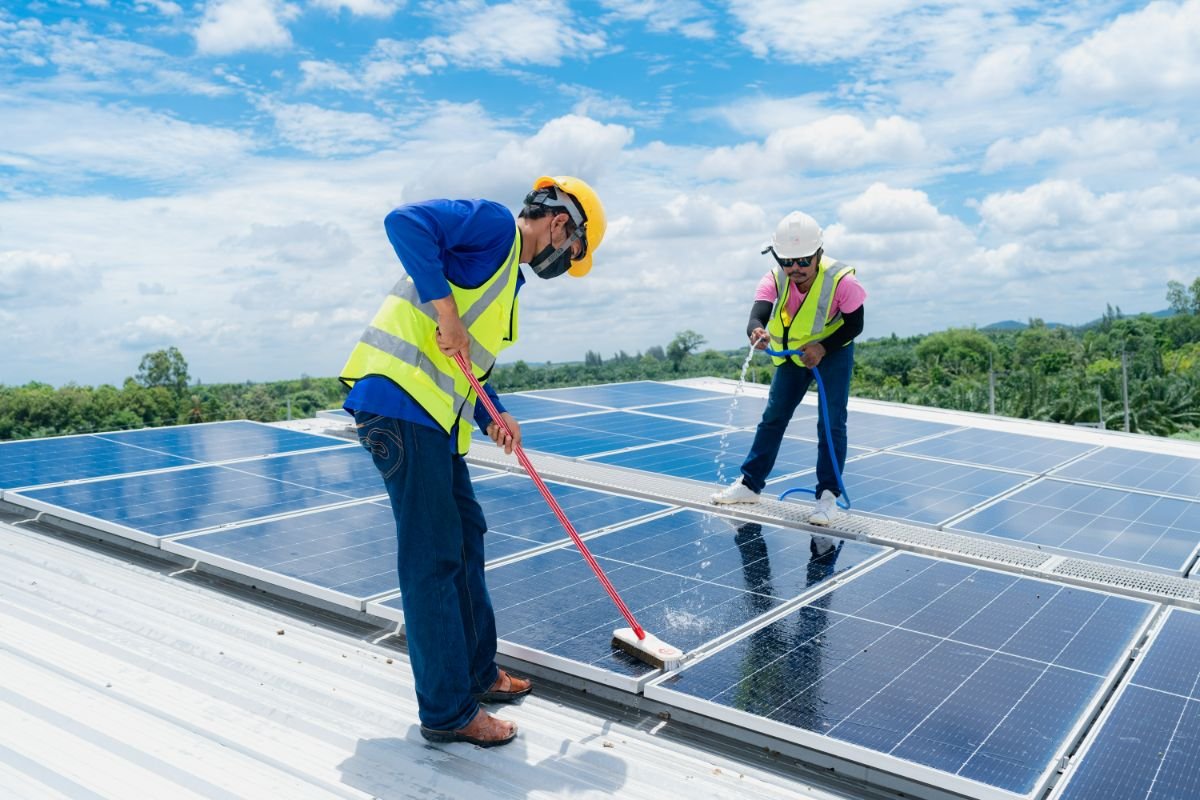
Use clean water at a gentle flow to loosen and carry away loose dirt. Ordinary garden-hose pressure is often adequate for permitted cleaning methods.
Water quality matters. If your tap water has a high mineral content, it may leave spots after drying. Purified or deionized water can help reduce residue.
Avoid high-pressure washers unless the specific panel manufacturer’s instructions explicitly permit the equipment and pressure being used. Some manufacturers prohibit high-pressure cleaning altogether, and powerful jets can damage panel components or force water into areas that should remain protected. REC’s cleaning guide explains these restrictions for REC modules.
Never direct water at exposed connectors, damaged wiring, or electrical equipment.
Step 5: Treat Stubborn Dirt Gently
If bird droppings or dried deposits remain after rinsing, wet the area and give it time to soften.
Use a clean, soft, non-abrasive brush, sponge, or microfiber cloth only if allowed by the panel manufacturer. Apply light pressure and avoid repeatedly rubbing the same spot with a dirty tool.
Do not try to force a stubborn mark off with a blade or scraper.
If ordinary rinsing and gentle cleaning do not remove the deposit, check the manufacturer’s approved cleaning methods or arrange a professional assessment. Some stains are mineral deposits or other residues rather than ordinary dirt.
Step 6: Rinse Away Any Approved Cleaning Product
Plain water is the preferred starting point for many routine cleaning tasks. If your panel manufacturer permits a cleaning solution for stubborn marks, use only the approved product and concentration.
Rinse according to the instructions so that cleaning residue does not remain on the glass.
Avoid improvising with strong chemicals or mixing household products. A solution that works on ordinary windows may not be suitable for a particular solar panel coating or warranty.
Step 7: Let the Panels Dry as Directed
Many manufacturer instructions allow panels to air-dry naturally. If you have hard water and recurring mineral spots, using purified rinse water can help prevent new deposits.
If a manufacturer permits manual drying, use a suitable clean, non-abrasive tool and avoid applying pressure to the glass.
Once cleaning is finished, follow the approved system restart procedure if you performed a shutdown. If you noticed damaged components or electrical warning signs, do not restart a system that requires professional inspection.
What Should You Never Use to Clean Solar Panels?
Choosing the wrong tools can turn a simple maintenance task into a repair issue. These are common mistakes worth avoiding.
Avoid Abrasive Brushes and Scouring Pads
Wire brushes, steel wool, rough scrubbers, and abrasive powders can scratch glass or damage surface coatings.
Even a soft brush can cause damage if it contains trapped grit or is pushed too hard.
Better alternative: Use a clean, soft brush or other manufacturer-approved tool after loosening dirt with water.
Avoid Strong Household Cleaners
Bleach, ammonia-based products, strong degreasers, and other unapproved chemicals may damage components, leave residue, or conflict with the panel manufacturer’s maintenance requirements.
Some ordinary soaps can also leave a film if they are not suitable for the surface or are not rinsed properly.
Better alternative: Start with water. Use a cleaning solution only when the manufacturer’s instructions permit it.
Avoid High-Pressure Washing Unless Explicitly Approved
A pressure washer may seem like a quick shortcut, but the force of the spray can damage seals, frames, or other components.
Better alternative: Use a gentle rinse with suitable water and a soft cleaning tool. If the dirt does not respond, check the manufacturer’s guidance before escalating the method.
Never Walk or Stand on Solar Panels
Solar modules are not designed to serve as walking surfaces. Stepping on them can damage the glass, cells, or frame even when there is no obvious crack.
Better alternative: Clean only from a safe position using an appropriate extension pole, or hire a professional who has the necessary equipment and fall protection.
Do Not Pour Cold Water Over Hot Panels
Cleaning during the hottest part of the day may cause water to evaporate rapidly and increase thermal stress.
Better alternative: Let the panels cool and choose a mild time of day. Use water at a suitable temperature as directed by the manufacturer.
How to Remove Common Solar Panel Stains
Different kinds of dirt call for different approaches. Identifying the deposit first helps you avoid unnecessary chemicals and aggressive scrubbing.
| Problem | Recommended first step | What to avoid |
|---|---|---|
| Light dust | Gentle rinse with suitable water | Dry scrubbing when grit is present |
| Pollen film | Rinse and use an approved soft cleaning tool if needed | Assuming rain will remove every trace |
| Bird droppings | Soak with water, then remove gently | Scraping or forceful rubbing |
| Hard-water spots | Use suitable purified rinse water for future cleaning; follow the manual for existing deposits | Strong acids or improvised chemical mixtures |
| Sticky plant residue | Check approved cleaning methods and soften the area first | Metal blades and abrasive pads |
| Leaves and twigs | Remove loose material from a safe position | Pulling debris from beneath panels near wiring |
| Ash after a nearby wildfire | Assess the condition and follow manufacturer or professional guidance | Aggressive dry brushing or high-pressure jets |
What If Hard-Water Stains Will Not Come Off?
Hard-water deposits can be frustrating because rinsing with the same mineral-rich water may leave additional spots.
First, check whether your panel manufacturer permits a specific treatment for mineral deposits. If the marks remain after approved gentle cleaning, ask a professional to evaluate them.
Avoid assuming that vinegar, acidic cleaners, or window-cleaning sprays are universally safe. Recommendations differ, and unapproved chemicals may affect panel surfaces or warranty coverage.
What If Bird Droppings Keep Coming Back?
Cleaning removes the current deposits but does not address the reason they keep appearing.
Observe where birds perch and ask a qualified installer about compatible deterrents. Do not block ventilation paths, damage the mounting system, or disturb active nests in ways that violate applicable wildlife rules.
Is Rain Enough to Clean Solar Panels?
Sometimes, yes. But not always.
Rain can rinse loose dust from panels, particularly where the glass is sufficiently tilted to let water run off. If your system is producing normally and there is no meaningful buildup, extra cleaning may not be necessary.
Rain is less reliable when panels have:
- Stubborn bird droppings.
- Persistent pollen or sticky organic residue.
- Dust that has accumulated during a long dry spell.
- Mineral deposits from previous water runoff.
- Debris collected around the lower edges.
The NREL pollen research is a useful reminder that rainfall does not always restore solar panels to their previous performance levels. Source: NREL.
Rather than cleaning after every storm or assuming rain will take care of everything, inspect the panels periodically and let actual conditions guide your decision.
How Often Should You Clean Solar Panels?
There is no single cleaning schedule that is ideal for every home.
A practical starting point is to inspect your panels seasonally and clean them when visible buildup, local conditions, or meaningful performance evidence indicates a need.
Your cleaning frequency may depend on:
Local dust levels: Homes near unpaved roads, construction, or agricultural activity may collect dust more quickly.
Trees and pollen: Nearby trees can contribute pollen, leaves, and other organic deposits.
Bird activity: Frequent droppings can make spot cleaning necessary.
Rainfall: Regular rain may remove loose dirt, but it does not guarantee a clean surface.
Panel angle: Lower-tilt panels may retain more debris because water does not drain as readily.
Performance monitoring: A sustained drop that cannot be explained by weather or seasonal sunlight may justify further investigation.
The U.S. Department of Energy recommends sound operations and maintenance practices for photovoltaic systems and emphasises monitoring performance and following manufacturer-recommended maintenance schedules. DOE solar performance and maintenance guidance.
A reasonable routine is to check the system periodically, examine it after unusual dust or pollen events, and avoid scheduling unnecessary cleans when the panels are already performing as expected.
How to Tell Whether Cleaning Actually Improved Performance
One of the most useful solar panel cleaning tips is to check the numbers instead of relying only on appearance.
Before cleaning, note your system’s recent energy production. Afterwards, compare production over suitable periods with similar sunlight and weather conditions.
For a meaningful comparison:
- Review the inverter or solar monitoring app.
- Compare similar days rather than a cloudy day with a sunny one.
- Account for seasonal changes in daylight and the sun’s position.
- Check whether shading or nearby tree growth has changed.
- Look for warning notifications or inverter faults.
Do not expect an identical production increase after every cleaning. The improvement depends on how much the dirt was affecting the system in the first place.
If the output remains unusually low after the panels are clean, additional scrubbing is unlikely to solve an inverter problem, wiring fault, persistent shade, or damaged module.
Contact your installer or a qualified solar technician to investigate those possibilities.
DIY Solar Panel Cleaning vs. Professional Cleaning
Should you clean the panels yourself or hire a professional? The answer depends on access, the condition of the system, and your comfort level with the work.
When DIY Cleaning May Be Reasonable
A simple DIY approach may be practical when the panels can be reached safely from the ground, the surface has ordinary dust or light debris, and the manufacturer permits gentle rinsing or brushing.
A compatible extension pole and soft brush can often help you reach accessible panels without stepping onto the roof.
Even then, keep well clear of overhead power lines, electrical equipment, and exposed wiring. Never operate a long pole near overhead electrical lines.
When You Should Hire a Professional
Professional cleaning is the better option when:
- Panels are installed on a steep or multi-story roof.
- Safe access would require walking near roof edges or skylights.
- Dirt has accumulated heavily or resists gentle cleaning.
- Bird nests or debris are trapped beneath the array.
- You see damaged glass, loose components, or exposed wiring.
- You are uncertain about approved cleaning methods.
- You do not have the tools or training needed to work safely at height.
Roof maintenance introduces real fall hazards. The Occupational Safety and Health Administration (OSHA) identifies falls as a significant hazard in solar installation and maintenance work. OSHA solar safety guidance.
Do not take unnecessary risks to save the cost of a cleaning visit. A qualified professional can use suitable access equipment and cleaning tools while reducing the risk of damage to the panels and surrounding property.
Alternatives to Frequent Manual Cleaning
Cleaning is not the only way to manage dirt buildup. Depending on your property, a few alternatives may reduce unnecessary work.
1. Monitor Performance Before Booking a Cleaning
Check your system data and inspect the panels first. If production is normal and no significant dirt is visible, a cleaning may provide little practical benefit.
This approach helps you avoid paying for repeated cleaning visits without a clear reason.
2. Use a Water-Fed Extension Pole
For appropriately accessible panels, a compatible pole with a soft brush can reduce the need to reach from a ladder.
Some professional systems use purified water fed through a pole. This can help remove dirt while reducing mineral spotting.
The equipment must still be suitable for your panel manufacturer and used away from overhead power lines.
3. Improve the Surrounding Environment
Where practical, maintain nearby trees and vegetation so that branches do not shade the panels or drop excessive debris onto them.
Arrange any tree work safely. Do not climb onto the roof or cut branches near electrical equipment to improve access.
4. Consider Professional Maintenance on an As-Needed Basis
For systems that are difficult to reach, arranging periodic inspections and cleaning based on actual conditions can be more sensible than repeatedly attempting DIY work.
A professional can also help distinguish surface dirt from problems that require a repair or electrical inspection.
5. Treat Automated Cleaning as a Site-Specific Option
Automated brushes and other cleaning systems exist, particularly for larger solar installations. They are not automatically the best option for a residential roof.
Before installing any automated or anti-soiling product, verify compatibility with the modules and mounting system, maintenance requirements, cost, and warranty implications.
Gutter guards, ordinary window-cleaning products, and generic protective coatings should not be assumed to solve solar panel soiling.
A Simple Solar Panel Maintenance Checklist
Use this checklist to make solar maintenance easier to manage.
During routine inspections:
- Check the panels from the ground for visible buildup or damage.
- Review monitoring data for unexplained production changes.
- Look for new shade from growing trees or nearby obstructions.
- Note bird droppings, pollen, ash, or construction dust.
- Check the manufacturer’s cleaning and warranty instructions.
- Decide whether cleaning is needed or whether the issue requires a technician.
Before cleaning:
- Confirm that the panels and access route can be reached safely.
- Choose a cool, calm time.
- Prepare suitable clean water and a non-abrasive tool.
- Follow the approved shutdown procedure where required.
- Keep away from electrical equipment, exposed wiring, and overhead power lines.
- Stop if the panels are damaged or roof access is unsafe.
After cleaning:
- Confirm that visible deposits have been removed without aggressive scrubbing.
- Follow the manufacturer’s instructions for drying and restarting the system.
- Review production data over comparable conditions.
- Arrange a professional inspection if performance remains unusually low or damage is suspected.
Frequently Asked Questions About Solar Panel Cleaning Tips
What is the best way to clean solar panels without damaging them?
For many panels, the safest starting point is clean water, a gentle rinse, and a clean soft brush or cloth approved by the manufacturer. Avoid abrasive materials, unapproved chemicals, excessive pressure, and unsafe roof access.
Can I clean solar panels with tap water?
It depends on your water quality and the manufacturer’s instructions. Tap water may be suitable for some routine rinsing, but mineral-heavy water can leave white spots as it dries. Purified or deionized water can reduce this issue.
Can I use dish soap to clean solar panels?
Only if the panel manufacturer’s instructions permit it. Some manuals allow a mild cleaning solution for stubborn deposits, while others set different limits. Never assume that every household soap is suitable, and rinse as directed when a product is approved.
Will rain clean my solar panels?
Rain can wash away loose dust, but it may leave pollen, bird droppings, and stubborn residue behind. Inspect the panels and monitor production rather than relying on rainfall alone.
Can I use a pressure washer on solar panels?
Do not use one unless the specific manufacturer’s manual explicitly allows the equipment and operating conditions. Some manufacturers prohibit high-pressure cleaning because it can damage the panel assembly.
How often should solar panels be cleaned?
There is no universal schedule. Inspect them periodically and clean when visible buildup or credible performance evidence indicates a need. Homes in dusty areas or near trees may need more attention than homes with little debris.
Do dirty solar panels always produce less electricity?
Not necessarily by a noticeable amount. The effect depends on the type and amount of soiling and the conditions at the property. Heavier buildup can reduce the sunlight reaching the cells, but other factors can also influence system output.
What should I do if my solar panels are clean but production is still low?
Check the monitoring app for alerts, compare output under similar weather conditions, and consider shading, inverter problems, wiring faults, or damaged modules. If the drop persists, contact a qualified solar technician rather than repeatedly cleaning the panels.
Is professional solar panel cleaning worth it?
It can be worthwhile when the panels are difficult or dangerous to reach, heavily soiled, or require a specialised cleaning approach. The decision should consider access, the severity of buildup, system performance, and the cost of the service.
Final Thoughts: Keep Your Solar Panels Clean Without Taking Unnecessary Risks
Solar panel maintenance is about more than making the glass look spotless. It is about keeping the system in good condition, recognising when dirt may be affecting performance, and avoiding cleaning methods that introduce unnecessary risks.
The most effective solar panel cleaning tips are also the simplest: inspect before cleaning, follow the manufacturer’s instructions, use appropriate water and non-abrasive tools, avoid aggressive chemicals and unapproved pressure washing, and never compromise personal safety to reach a panel.
Remember that rain can help, but it does not remove every kind of deposit. Likewise, low energy production is not automatically a cleaning problem. Use visual checks and system monitoring together to decide what action makes sense.
When panels are safely accessible and only lightly soiled, gentle cleaning may be all that is needed. When roof access is difficult, deposits are stubborn, or damage is suspected, professional help is the more sensible option.
A measured approach helps you maintain your solar panels without turning routine cleaning into an expensive or risky project.