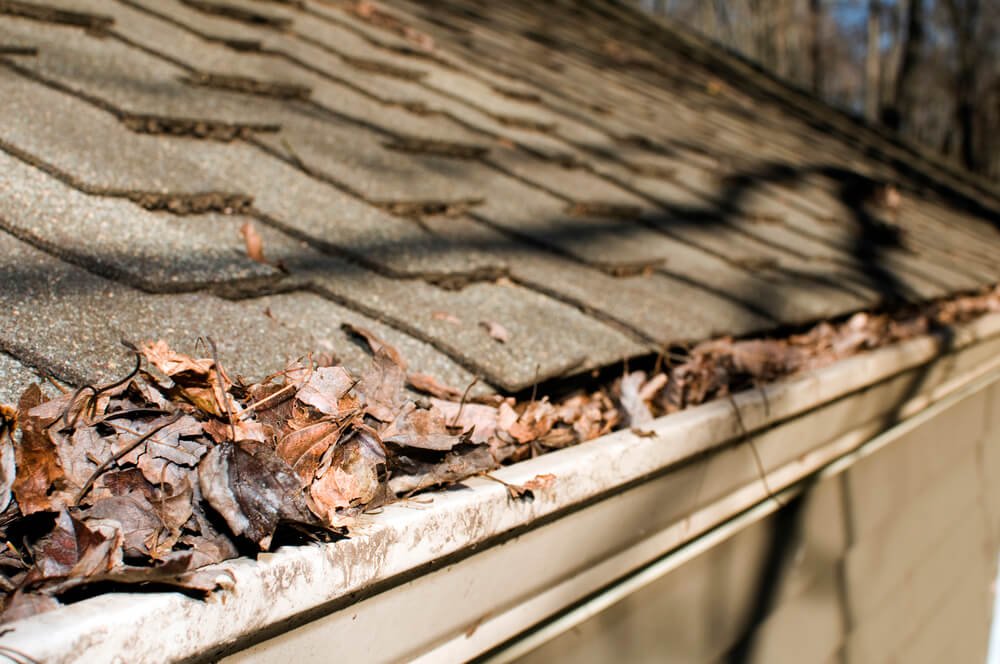
Gutters are easy to overlook because they sit quietly along the edge of the roof. But when leaves, twigs, roof grit, and other debris build up inside them, they can no longer move rainwater away from your home as intended. The first warning may be water pouring over the sides during a storm. By then, moisture may already be reaching areas you cannot easily see.
So, what happens if you don’t clean your gutters? The results can range from annoying overflow and muddy landscaping to rotting roof components, pest activity, and expensive water-related repairs. The good news is that most gutter problems are preventable. This guide explains the real risks, how to clean gutters, what to do about clogged downspouts, and when it makes sense to call a professional.
What Happens If You Don’t Clean Your Gutters?
1. Rainwater overflows near your home
Leaves and debris reduce the space available for water to flow through the gutter. During heavy rain, water may spill over the front or back edge instead of reaching the downspout. Repeated overflow can soak the soil beside the house, splash dirt onto siding, and leave puddles around walkways or patios.
2. Water can collect around the foundation
Gutters and downspouts help direct roof runoff away from the house. When they are clogged, water may repeatedly drain in the same spot next to the foundation. Persistent moisture can contribute to soil erosion, damp basement or crawl-space conditions, and water intrusion. The exact risk depends on grading, drainage, soil, and the home’s construction, but keeping roof runoff moving away from the foundation is an important preventive step.
3. Fascia boards and other wood can rot
When water backs up or spills behind a gutter, it can keep the fascia board and nearby trim wet. Over time, repeated moisture exposure may cause wood to soften, deteriorate, or rot. Paint may peel, and the gutter may eventually lose a secure attachment if the wood behind it is damaged.
4. Gutters can become heavy and pull away
Wet leaves, compacted dirt, shingle granules, and standing water add weight. That extra load can strain hangers and fasteners, causing sections to sag or separate from the roof line. A sagging gutter also creates low spots where more water and debris collect, making the original blockage worse.
5. Roof edges and interior areas may be exposed to leaks
If water cannot drain properly, it may back up beneath the roof edge or reach vulnerable roof components. This can contribute to deterioration around eaves and, in some situations, moisture appearing in ceilings or walls. A roof leak can have several causes, so signs of water indoors should be inspected rather than automatically blamed on gutters alone.
6. Standing debris can attract pests
Wet leaves and stagnant water create a sheltered environment that can attract insects and other pests. Depending on the location and conditions, clogged gutters may become a breeding area for mosquitoes or a nesting spot for birds and rodents. Removing accumulated debris helps eliminate some of the damp, sheltered habitat they prefer.
7. Overflow can damage landscaping and walkways
Water that repeatedly pours from the same section can wash away mulch, expose plant roots, flatten flower beds, and create channels in the soil. On hard surfaces, runoff can leave stains, splash mud onto walls, or contribute to slippery areas where water collects.
8. Persistent moisture can encourage mold and mildew
Gutter overflow can keep exterior walls, trim, and nearby materials damp. In areas that do not dry properly, mold or mildew may develop on suitable surfaces. Moisture problems inside a home require attention to the source of water as well as proper cleanup. Simply washing a visible stain will not solve an ongoing leak or drainage issue.
9. Small maintenance issues can turn into expensive repairs
A routine cleaning is usually simpler than repairing rotten fascia, replacing detached gutter sections, fixing damaged landscaping, or investigating water intrusion. Delaying maintenance does not guarantee damage, but it gives debris and moisture more time to create problems. Regular checks make it easier to spot loose hangers, leaks, and drainage issues while they are still manageable.
How to Tell If Your Gutters Need Cleaning
You do not need to wait for a major storm to notice a problem. Look for these common warning signs from a safe location:
- Water spills over the gutter edges when it rains.
- Plants, weeds, or small trees are growing inside the gutter.
- You can see leaves, twigs, or compacted debris sitting above the gutter line.
- A gutter section appears sagging, tilted, or separated from the fascia.
- There are dark water marks, peeling paint, or damp-looking areas below the roof edge.
- Downspouts are not releasing water during rainfall, or water is pooling at their outlets.
- You notice pest activity or persistent damp debris around the roofline.
A visual check from the ground can help you identify obvious issues, but it may not reveal a blockage hidden inside a downspout or behind a gutter guard.
How to Clean Gutters: Practical Methods
The right method depends on the height of the home, the amount and type of debris, roof access, and the tools available. Always follow the gutter and tool manufacturers’ instructions. If the work requires unsafe ladder positioning, reaching over an edge, or stepping onto the roof, leave it to a trained professional.
1. Gutter scoop and bucket
For accessible gutters, a purpose-made plastic gutter scoop can remove leaves and compacted debris. Wear work gloves and eye protection. Place debris in a bucket or onto a tarp rather than pushing it into the downspout, where it can create a deeper clog. Avoid sharp metal tools that could damage the gutter surface.
2. Garden hose with a suitable spray nozzle
After loose debris has been removed, a garden hose can help rinse remaining dirt toward an accessible outlet. Start near the end farthest from the downspout and work toward it, provided the gutter is properly supported and the flow is not causing overflow. Watch the outlet to confirm that water is draining freely. Do not use excessive pressure.
3. Telescopic gutter cleaning wand
A telescopic wand can let you rinse or loosen light debris from the ground, depending on the tool design and gutter layout. It may be useful for routine maintenance, but it will not reliably remove every packed blockage or confirm that a downspout is clear. Follow the product instructions and keep clear of electrical lines.
4. Wet/dry vacuum or leaf blower attachment
Some wet/dry vacuums and leaf blowers have gutter-cleaning attachments designed to reach from the ground. These tools can help with dry, loose leaves, but wet or compacted debris may be difficult to remove. Use only compatible attachments, wear eye protection, and consider where the debris will fall so it does not strike people, pets, windows, or vehicles.
5. Professional gutter cleaning
A professional service is often the safer choice for multi-story homes, steep roofs, difficult access, heavy debris, or gutters that have not been cleaned for a long time. A proper service should remove debris, check downspout flow, and look for visible signs of sagging, leaks, or loose sections. Ask what the service includes before booking.
How to Unclog a Gutter Downspout
A gutter can look clean at the top and still overflow if the downspout is blocked. If you can safely access the outlet from the ground, use this basic inspection sequence:
- Check the downspout outlet for visible leaves, mud, or other debris. Keep your hands clear of sharp edges.
- Remove loose material at the outlet if it is safely reachable without climbing or dismantling the system.
- Use a garden hose with moderate flow to check whether water passes through. Avoid forcing water into a blockage under high pressure.
- If water backs up, leaks from a joint, or does not emerge at the outlet, stop and arrange further inspection.
- After the blockage is cleared, run water through the gutter and confirm that it drains toward the downspout without pooling.
Do not use a pressure washer to force a clog through the system. High pressure can damage gutter seams, joints, paint, or attachments, and may not resolve a blockage safely. For stubborn clogs, a professional can determine whether the downspout needs to be disconnected or mechanically cleared.
Gutter Cleaning Hacks That Make the Job Easier
Use a tarp to collect debris
For work performed from a properly positioned, stable access point, place a tarp below the work area to make cleanup easier. Keep the tarp away from walkways and do not let it create a trip hazard.
Clear the downspout outlet before flushing
Before rinsing a gutter, check that the downspout outlet is not visibly blocked. Otherwise, the hose may simply fill the gutter and cause more overflow.
Work in small sections
Cleaning one short section at a time makes it easier to spot packed debris, loose hangers, and standing water. It also helps prevent debris from being pushed into the next section.
Choose a dry, calm day
Dry weather generally makes debris easier to handle and avoids the added risks of wet, slippery surfaces. Do not clean gutters during storms, strong winds, icy conditions, or when a ladder or work area is unstable.
Consider gutter guards, but do not assume they eliminate maintenance
Gutter guards can reduce the amount of large debris entering a gutter, but they are not a guarantee against clogs. Fine material can accumulate on top or pass through some designs, and downspouts can still become blocked. Follow the guard manufacturer’s maintenance instructions and inspect the system periodically.
Keep a simple maintenance record
Make a note of when you inspect or clean the gutters and where you find recurring buildup. This helps you plan around nearby trees and identify sections that clog more often than others.
How Often Should You Clean Your Gutters?
There is no single schedule that fits every home. The right frequency depends on nearby trees, roof shape, local weather, the type of gutter protection installed, and how quickly debris builds up. Many homeowners inspect their gutters at least twice a year, commonly in spring and fall, and more often when trees drop leaves, seeds, or needles nearby.
In areas with seasonal winds, dry leaves, or frequent dust and debris, check the system after periods of heavy buildup. After a major storm, look for visible overflow, fallen branches, or damage from the ground. A home surrounded by mature trees may need more frequent attention than a home with little overhead vegetation.
Gutter Cleaning Safety: What Homeowners Should Avoid
Gutter cleaning can involve ladders, roof edges, wet surfaces, and overhead electrical lines. Falls can cause serious injuries. Choose a ground-based method where practical, or hire a professional when access is difficult.
- Do not lean or reach sideways from a ladder. Climb down and reposition it when the work area changes.
- Use a stable ladder on firm, level ground and follow the ladder manufacturer’s instructions.
- Keep ladders, tools, and yourself well clear of overhead power lines.
- Do not work in rain, strong wind, icy conditions, or on slippery surfaces.
- Wear gloves and eye protection when handling debris.
- Do not stand or walk on the roof or gutter to reach another section.
- Avoid DIY work on multi-story homes, steep roofs, or areas where safe access is uncertain.
If a gutter is loose, badly sagging, leaking at several joints, or attached to damaged fascia, cleaning alone may not be enough. Have the condition assessed before putting additional weight or force on the system.
Can You Prevent Gutters from Getting Clogged?
You cannot stop every leaf or piece of debris from reaching the roof, but a few habits can reduce the frequency and severity of blockages:
- Trim overhanging branches where appropriate and in accordance with local rules.
- Inspect gutters and downspouts on a regular seasonal schedule.
- Check that downspout extensions direct water away from the foundation.
- Repair loose hangers, separated joints, or incorrect gutter slope promptly.
- Choose gutter guards suited to the debris around your property, and continue inspecting them.
- After storms, check from the ground for visible damage or overflow.
When Should You Hire a Professional Gutter Cleaning Service?
Consider hiring a professional when your home has more than one story, a steep or fragile roof, limited ladder access, heavy compacted debris, or a downspout that remains blocked after basic inspection. Professional help is also sensible when you see signs of gutter separation, damaged fascia, persistent leaks, or water collecting around the foundation.
A reliable provider should be able to explain the cleaning process, confirm whether downspouts are draining, point out visible damage, and clarify what is and is not included in the service. Homeowners in Norco, CA and nearby Southern California communities can contact All American Cleaning for information about residential and commercial gutter cleaning. The team is fully insured and uses eco-friendly cleaning methods.
Frequently Asked Questions
What happens if you never clean your gutters?
Debris can block water flow and cause overflow. Over time, repeated moisture may contribute to foundation-area drainage problems, fascia deterioration, sagging gutters, roof-edge issues, pest activity, and landscaping erosion. The outcome depends on the home and local conditions, but regular maintenance reduces avoidable risk.
How often should gutters be cleaned?
Many homes benefit from inspection and cleaning at least twice a year, often in spring and fall. Homes beneath trees or in areas with frequent wind-blown debris may need more frequent checks.
Can clogged gutters cause foundation problems?
They can contribute to excess water collecting beside the foundation when roof runoff is not carried away properly. Soil type, grading, drainage, and the foundation design also affect the risk.
Can gutters be power washed?
High-pressure washing is not a default solution for gutters. It can damage seams, finishes, joints, or attachments if used improperly. Manual removal and controlled rinsing are generally more appropriate. Follow the gutter manufacturer’s guidance or use a professional.
Do gutter guards mean I never have to clean my gutters?
No. Guards can reduce large debris entering the gutter, but fine material can still collect and downspouts can still clog. Periodic inspection and maintenance remain important.
Can I clean gutters from the ground?
Some telescopic wands, vacuum systems, and blower attachments are designed for ground-based cleaning. Their effectiveness depends on gutter height, debris type, and tool design. They may not clear packed debris or verify hidden downspout blockages.
What is the safest way to clean gutters?
For many homeowners, the safest option is a suitable ground-based tool or a professional service. Avoid roof walking, overreaching from ladders, and working near power lines or in poor weather.
Will rain clean my gutters?
Rain may move some loose debris, but it does not reliably remove compacted leaves, roof grit, or downspout blockages. Heavy rain can make a clogged gutter overflow rather than clean itself.
Protect Your Home with Regular Gutter Maintenance
Gutters do an important job every time it rains: they collect roof runoff and carry it away from the home. When leaves and debris block that path, water can spill over, collect where it should not, and gradually create maintenance problems. A regular inspection, timely cleaning, and clear downspouts help keep the drainage system working as intended.
For homeowners and businesses in Norco, CA and nearby Southern California communities, All American Cleaning provides residential and commercial gutter cleaning using eco-friendly methods. Contact the team to discuss your property and the service it needs.