Your home may look spotless—but is the air inside actually clean?
The truth is, some of the most harmful pollutants are completely invisible. From dust mites to chemical fumes, hidden dirt can silently reduce your indoor air quality and impact your health every single day.
According to the United States Environmental Protection Agency, indoor air pollution often comes from sources inside your home and can include dust, mold, pet dander, and volatile organic compounds (VOCs).
Let’s break down what’s really polluting your home—and more importantly, how to fix it.
Why Indoor Air Quality Matters More Than Ever
Most people assume outdoor pollution is the bigger threat. But studies show that indoor air can be 2 to 5 times more polluted than outdoor air, especially in modern homes.
And here’s the real concern:
- We spend nearly 90% of our time indoors
- Poor air quality can cause:
- Allergies and asthma
- Headaches and fatigue
- Breathing problems
- Poor sleep quality
👉 In simple terms:
A clean-looking home doesn’t always mean clean air.
7 Hidden Dirt Sources That Are Polluting Your Home
1. Dust and Dust Mites (The Invisible Allergens)
Dust is more than just dirt—it contains:
- Dead skin cells
- Pet hair
- Bacteria and allergens
Dust mites thrive in bedding, carpets, and furniture and are a major cause of allergies. In fact, they are found in up to 80% of homes.
How to Fix It:
- Use a HEPA vacuum regularly
- Wash bedding in hot water weekly
- Switch to microfiber cloths for dusting
2. Mold and Moisture (The Silent Threat)
Mold grows in damp areas like bathrooms, kitchens, and basements. Once it spreads, it releases spores into the air that can trigger serious health issues.
Moist environments are ideal breeding grounds for mold and bacteria.
How to Fix It:
- Keep indoor humidity between 30–50%
- Fix leaks immediately
- Use exhaust fans and dehumidifiers
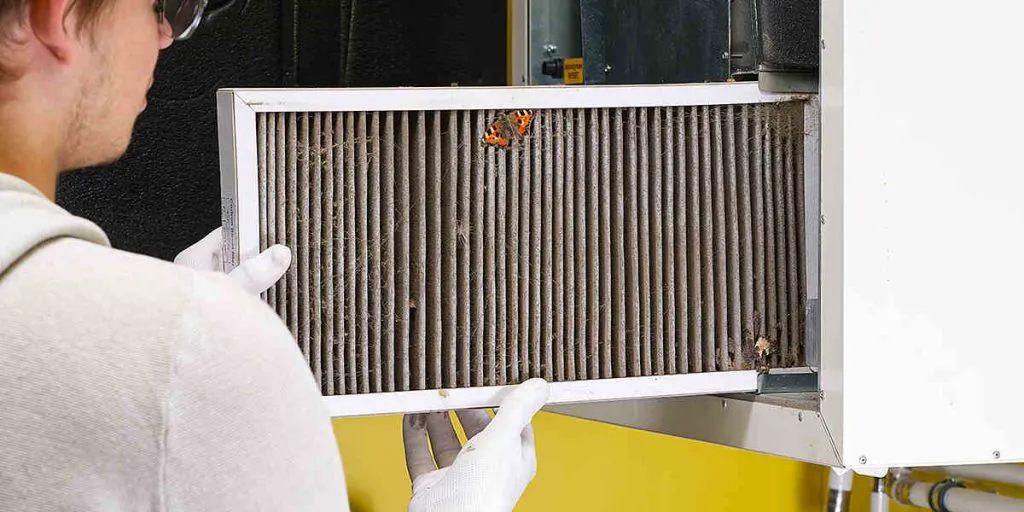
3. Dirty HVAC Systems and Air Ducts
Your HVAC system circulates air throughout your home. If it’s dirty, it spreads:
- Dust
- Mold spores
- Allergens
Some studies show HVAC systems can distribute contaminants multiple times per hour if not maintained.
How to Fix It:
- Change air filters every 1–3 months
- Schedule professional duct cleaning
- Keep vents clean and unobstructed
4. Chemical Cleaning Products (Hidden Pollutants)
Many household cleaners release VOCs (volatile organic compounds)—harmful gases that pollute indoor air.
These VOCs often come from:
- Cleaning sprays
- Air fresheners
- Paints and furniture
Indoor VOC levels can be significantly higher than outdoor levels due to household products.
How to Fix It:
- Switch to eco-friendly or homemade cleaning solutions
- Avoid heavy fragrance products
- Improve ventilation while cleaning
5. Pet Dander and Hair
Pets are wonderful—but they also contribute to indoor air pollution.
Pet dander (tiny skin flakes) becomes airborne and can trigger allergies and asthma.
How to Fix It:
- Groom pets regularly
- Vacuum carpets and upholstery frequently
- Use air purifiers with HEPA filters
6. Cooking Smoke and Indoor Combustion
Cooking, especially frying, releases:
- Fine particles (PM2.5)
- Gas fumes
- Smoke residues
Combustion sources like gas stoves and fireplaces also release pollutants such as carbon monoxide.
How to Fix It:
- Always use kitchen exhaust fans
- Open windows while cooking
- Clean kitchen surfaces regularly
7. Outdoor Pollution Entering Your Home
Pollutants don’t just come from inside—they enter from outside too:
- Dust and dirt from shoes
- Pollen through windows
- Air pollution from traffic
How to Fix It:
- Use doormats and remove shoes indoors
- Clean entry areas regularly
- Keep windows closed during high pollution days
Warning Signs Your Indoor Air Quality Is Poor
If you notice these signs, your home may have hidden air pollution:
- Constant sneezing or allergies
- Musty or lingering odors
- Frequent headaches indoors
- Dust quickly returning after cleaning
- Breathing discomfort
👉 These are clear signals that hidden dirt is affecting your indoor environment.
How to Improve Indoor Air Quality (Step-by-Step Guide)
Step 1: Deep Clean Regularly
Focus on areas often ignored:
- Carpets and rugs
- Upholstery
- Air vents and ceiling fans
Step 2: Improve Ventilation
Good airflow reduces indoor pollutants.
- Open windows daily
- Use exhaust fans
- Maintain HVAC systems
Step 3: Use HEPA Air Purifiers
Air purifiers help remove:
- Dust
- Allergens
- Pet dander
They are especially useful for allergy-sensitive households.
Step 4: Control Humidity Levels
Keeping humidity balanced prevents mold and dust mites.
- Use dehumidifiers
- Fix water leaks quickly
Step 5: Consider Professional Cleaning Services
DIY cleaning helps—but sometimes it’s not enough.
Professional services can:
- Remove deep dust buildup
- Clean hard-to-reach areas
- Improve overall indoor air quality
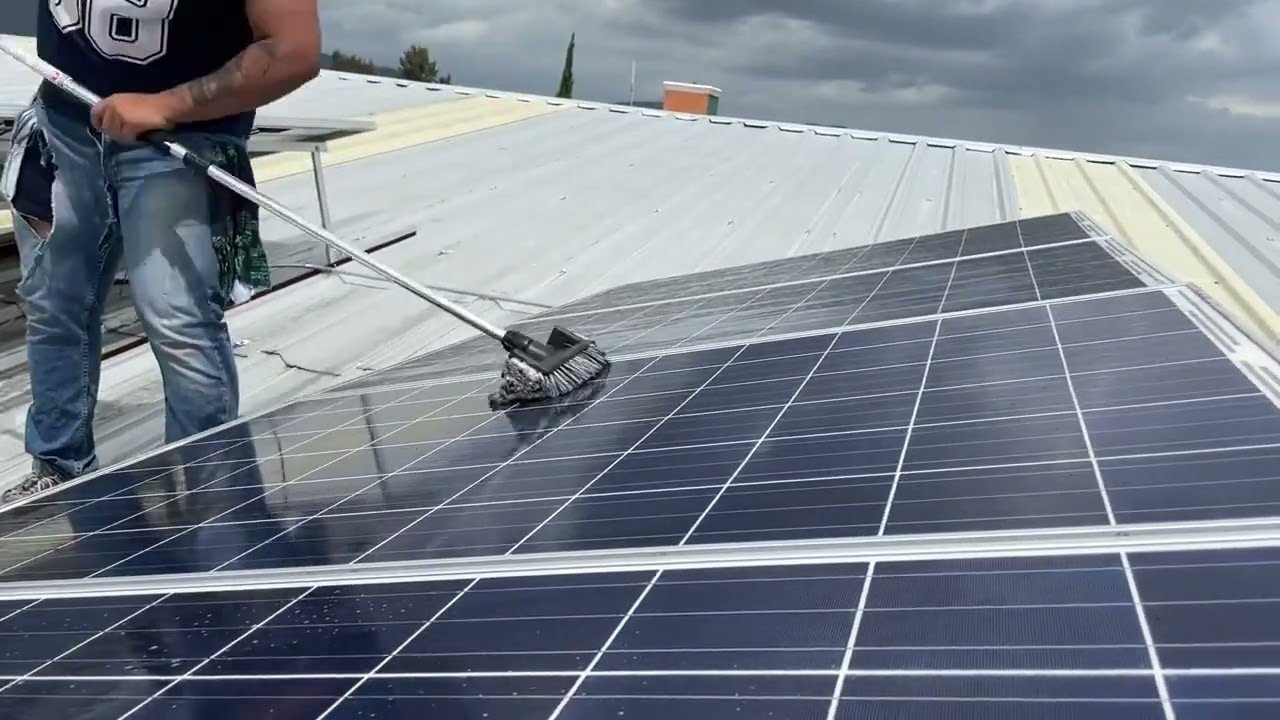
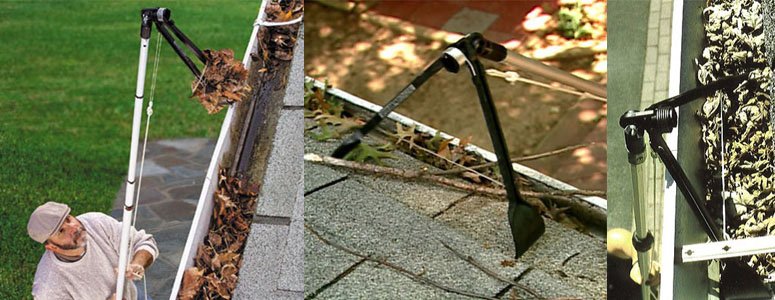
Services like gutter cleaning and exterior cleaning also reduce the amount of dust and debris entering your home.
Pro Tips (Trending in 2026)
✔ Use microfiber instead of feather dusters
✔ Choose eco-friendly cleaning products
✔ Declutter your home to reduce dust buildup
✔ Maintain a regular cleaning schedule
✔ Focus on prevention, not just cleaning
Final Thoughts
Hidden dirt is a silent problem—but its impact is real.
From dust and mold to chemical pollutants, these invisible threats can affect your health, comfort, and overall quality of life.
👉 The key takeaway:
Don’t just clean what you see—clean what you breathe.
By improving your indoor air quality with the right cleaning habits and professional support, you can create a healthier, safer, and more comfortable home environment.