
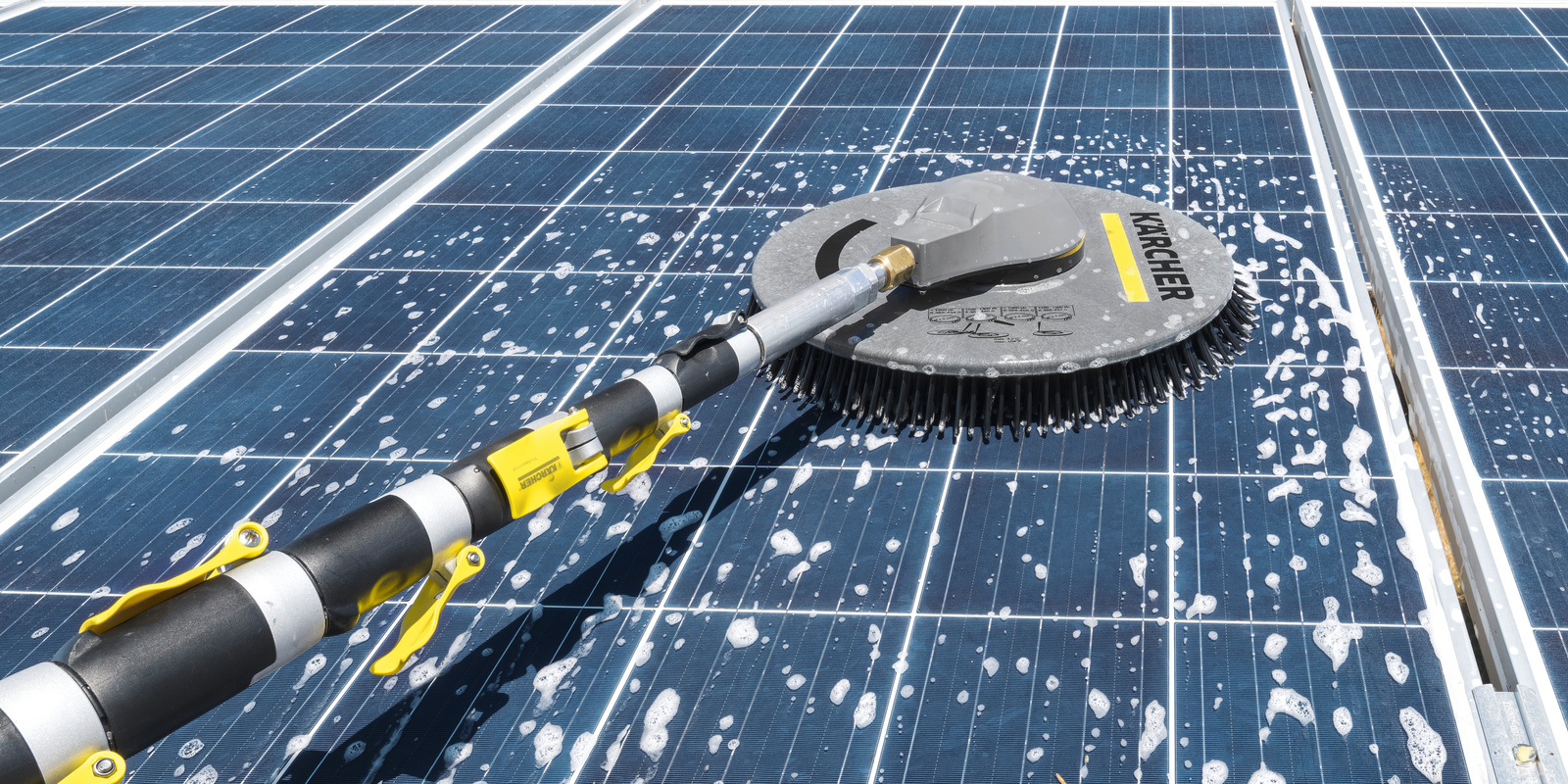
Solar panels are built to soak up sunlight, not dust, pollen, bird droppings, or wildfire ash. In residential homes, even a thin layer of soiling can reduce performance and chip away at the savings your system is supposed to deliver. NREL notes that dust accumulation on PV panels can cause annual electricity losses in the range of 5% to 35%, depending on conditions, while DOE guidance says wildfire ash should be removed with soap and water and not with high-pressure hoses or ordinary window cleaners.
For California homeowners, that makes solar panel cleaning part of normal home maintenance, not an optional extra. The best methods are the ones that protect the glass, preserve efficiency, and keep the system safe. If you are in Norco or anywhere nearby and want your panels to keep performing like they should, this guide breaks down the most effective residential solar panel cleaning methods in plain English.
Why solar panel cleaning matters in residential homes
A clean solar panel can capture more light than a dirty one. That sounds simple, but it is the whole game. Soiling on PV modules reduces power output directly, and it can also create uncertainty about how well the system is actually performing over time. NREL’s research on soiling explains that dirt, dust, and debris reduce PV energy output, and that losses can be significant depending on site conditions.
For homeowners, this matters because lower output means lower savings. If your panels are covered with dust or bird droppings, the system may still be working, but it is working harder for less return. In practice, that means more utility bill creep and a weaker payoff from your solar investment.
The safest and most effective method: soft washing with water and a soft brush
For most residential systems, the best method is gentle manual cleaning using soap and water, a soft brush, and low-pressure rinsing. DOE’s wildfire guidance is very clear: when ash is present, use soap and water, avoid high-pressure hoses, and do not use cleaning products made for windows because they can reduce module efficiency. It also warns against using conventional rags, towels, or brooms that are not designed for PV modules.
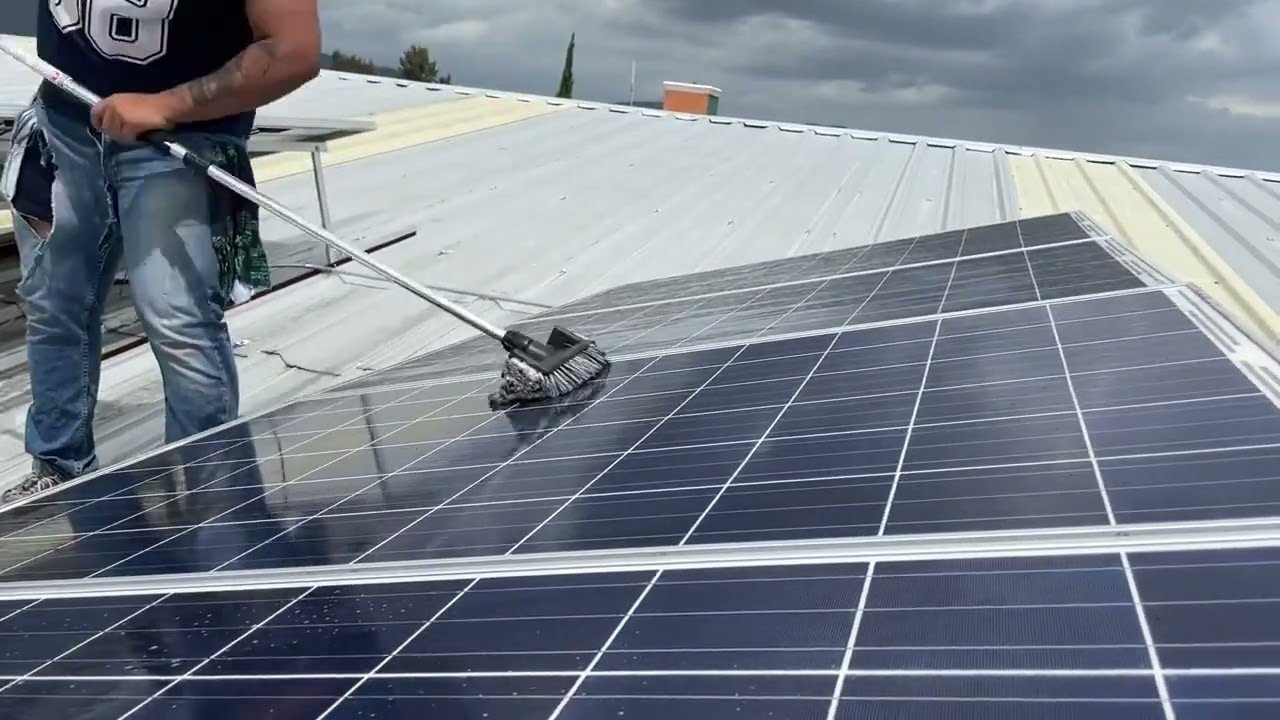
That recommendation works well beyond wildfire ash. For regular residential solar panel cleaning, the same logic applies. Use a soft-bristle brush, a hose with gentle flow, and a non-abrasive approach. The goal is to remove buildup without scratching the panel surface or forcing water into sensitive areas.
Why this method works
It removes dirt without damaging the glass surface.
It is safe for most rooftop solar panel cleaning jobs.
It is effective for light dust, pollen, and general grime.
It keeps the panel surface clear without using harsh chemicals.
Step-by-step: how homeowners should clean solar panels
If you are cleaning your own panels, start with a cool roof surface. Early morning or late afternoon is usually best because the panels are less hot and the water will not evaporate too quickly. Then follow a simple process:
1. Inspect the panels first
Look for obvious buildup, bird droppings, leaves, or ash. Also check for cracked glass, loose framing, or debris trapped around the edges. If you see physical damage, stop and call a professional solar panel cleaning service or installer.
2. Use low-pressure water
Rinse the surface gently. Do not use a pressure washer. DOE specifically warns that high-pressure hoses can damage the glass surface of PV modules.
3. Apply mild soap if needed
For stubborn residue, use soap and water with a soft brush. This is the method DOE recommends for ash removal, and it is also a good general approach for sticky dirt or bird droppings.
4. Brush lightly, not aggressively
A soft-bristle brush is the right tool. The idea is to lift dirt, not grind it into the panel surface. Gentle passes work better than hard scrubbing.
5. Rinse again and let the panels dry
A final rinse removes loosened dirt and soap residue. Once dry, the panels should be ready to capture sunlight again.
What to avoid when cleaning residential solar panels
This part matters as much as the cleaning itself.
Avoid pressure washing
High-pressure hoses can damage the glass surface of modules. DOE says not to use them for ash removal, and that guidance is useful for routine cleaning too.
Avoid window cleaners
DOE warns that products traditionally used for windows can increase reflectivity on the module surface and reduce efficiency.
Avoid rough tools
Conventional brooms, rough rags, towels, and abrasive scrub pads can scratch or weaken the surface. DOE specifically says not to use cleaning equipment that is not designed for PV modules.
Avoid cleaning when panels are hot
Hot glass and rapid evaporation make cleaning harder and can leave streaks. It also makes the job less comfortable and less safe.
How often should residential solar panels be cleaned?
There is no one perfect schedule for every home. The right frequency depends on your local conditions, roof angle, nearby trees, dust levels, and whether you get ash or bird droppings. NREL notes that soiling is strongly influenced by site conditions, and PV systems near agricultural sites tend to show more soiling.
For many California homes, a seasonal approach works well. If your roof sits near trees, a dusty road, or an area with frequent ash or pollen, you may need cleaning more often. The point is not to overdo it. The point is to clean before buildup starts hurting output.
Best methods by situation
Light dust and everyday grime
For normal residential dust, a low-pressure rinse and soft brush is usually enough. This is the simplest and most efficient method for routine solar panel maintenance.
Bird droppings
Bird droppings need a little more attention because they are sticky and can cling tightly to the glass. Let water and mild soap loosen the spot first, then brush it gently. Do not scrape.
Wildfire ash
Ash needs careful removal. DOE specifically recommends soap and water, with no high-pressure hoses and no window cleaners.
Tree debris and leaves
Remove leaves first so they do not smear across the panel when you rinse. Once the surface is clear, follow the normal wash-and-rinse method.
DIY solar cleaning versus hiring a professional
DIY cleaning is fine for some homes, especially if the system is easy to reach and the roof is safe to access. But rooftop solar cleaning is still roof work. If the panels are steep, high, or difficult to access, hiring a professional solar panel cleaning service is the safer call.
A professional service is especially useful when:
- you have a multi-story roof
- the panels are heavily soiled
- ash, bird droppings, or sticky debris are baked on
- you want a full residential solar panel cleaning without risk
- your system needs maintenance as part of a larger roofline plan
If you want a local example, a company like All American Cleaning can handle rooftop cleaning for California homeowners who prefer a safer, done-for-you approach.
Why this matters for California and Norco homeowners
California homeowners often deal with a mix of dust, dry weather, seasonal pollen, and wildfire-related residue. That means residential solar panel cleaning is not just about keeping things pretty. It is about keeping your system productive through the year.
The cleaner your panels stay, the more consistent your output tends to be. And because solar is an investment, consistency matters. The best method is the one that protects the glass, preserves efficiency, and fits the home’s actual conditions.
Practical homeowner checklist
Before you clean your panels, ask yourself:
- Is the roof safe to access?
- Are the panels cool?
- Is the buildup light or heavy?
- Do I need soft brush cleaning or a full professional service?
- Is there ash, bird droppings, or stubborn residue?
- Do I have the right tools for a gentle clean?
If the answer feels uncertain, a professional cleaning is usually the smarter route.
Final thoughts
The best methods for solar panel cleaning in residential homes are simple, gentle, and safe. Use water, mild soap, and a soft brush. Avoid pressure washers, harsh chemicals, and rough tools. Clean when the panels are cool, and treat ash or heavy buildup carefully. DOE guidance supports this low-pressure, non-abrasive approach, and NREL research shows why soiling control matters for output and long-term system performance.
For homeowners in California, especially in Norco, regular solar panel cleaning is part of protecting your energy savings. Clean panels work better, last longer, and help your solar system do the job you paid it to do.
1 Comment
[…] you live in Norco, California, here’s how routine solar panel cleaning can help you avoid expensive repairs while protecting your […]