Many homeowners proudly watch their electricity bills drop after installing solar panels. Then, months or years later, those savings begin to shrink. The surprising part? Most people blame rising utility rates or aging equipment, when the real problem is often sitting in plain sight.
Imagine investing thousands of dollars in a solar energy system only to discover it’s quietly generating less electricity every single day because of something as ordinary as dust, pollen, bird droppings, or tree debris. Unlike a broken inverter or faulty wiring, this problem doesn’t trigger warning lights or system alerts. Instead, it slowly chips away at your energy production until your “money-saving investment” isn’t performing the way it should.
That’s why more homeowners are asking questions like:
- Does cleaning your solar panels make a difference?
- Do solar panels really need to be cleaned?
- Does rain clean solar panels?
- Is solar panel cleaning worth the cost?
- How often should solar panels be cleaned?
The answer surprises many first-time solar owners.
In many regions, dirty solar panels can reduce energy production significantly over time, especially where airborne dust, pollen, construction debris, bird activity, or long dry seasons are common. While the exact impact varies by climate and installation, keeping panels clean helps them receive sunlight more efficiently and supports consistent performance.
Rather than waiting until your electricity bill starts climbing, understanding what affects solar efficiency can help you protect the investment you’ve already made.
Why Dirty Solar Panels Become an Expensive Problem
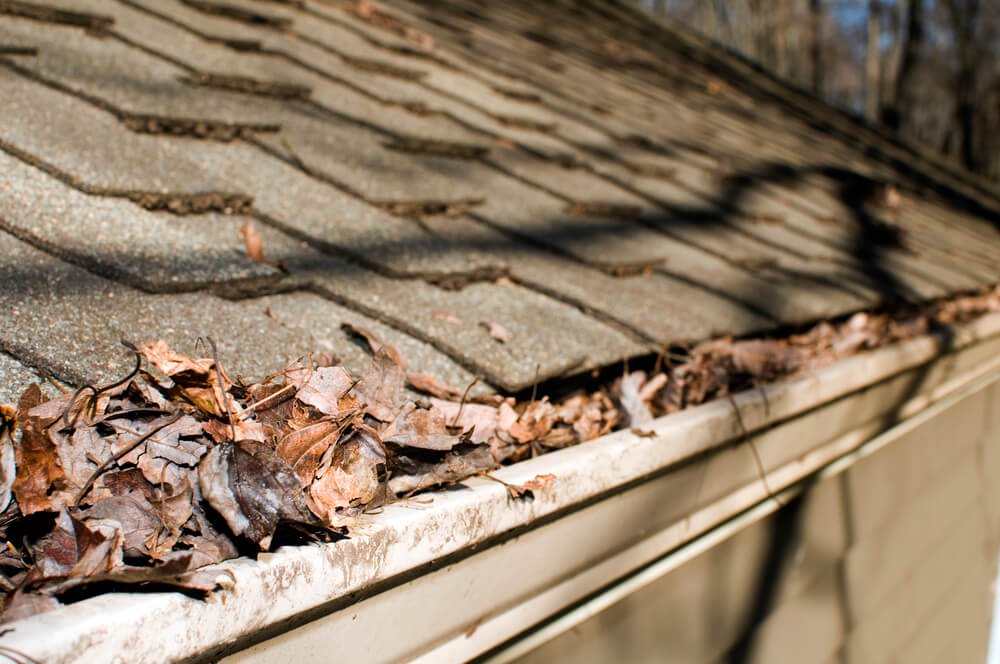
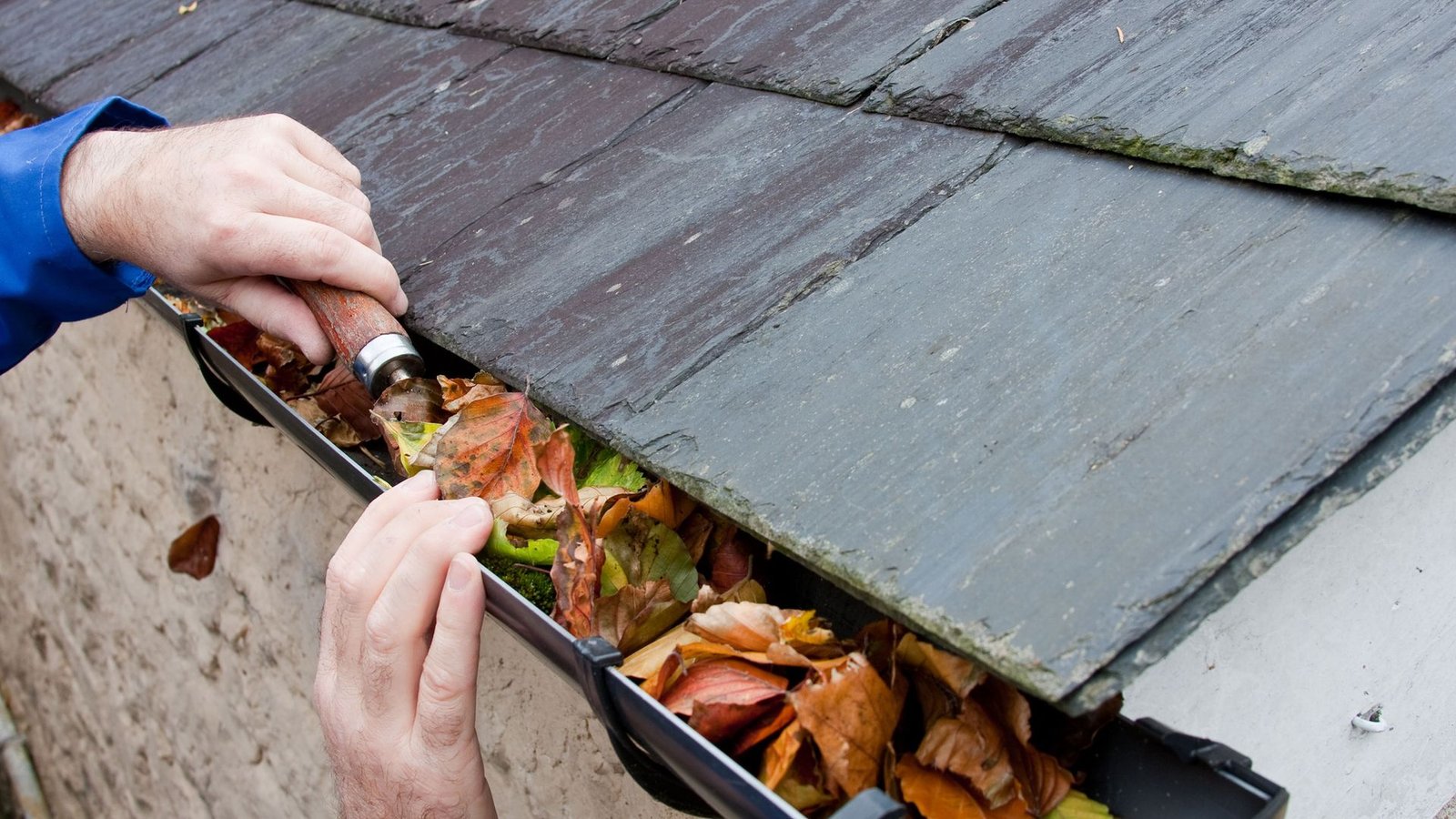
When people think about maintaining a home, they usually picture gutters overflowing with leaves, clogged HVAC filters, or roofs needing repairs.
Solar panels rarely make that maintenance list.
That’s understandable because they continue generating electricity even when they’re dirty. The problem is that they often produce less electricity than they could, and the decline happens gradually enough that most homeowners never notice.
Every day, tiny particles settle on the glass surface:
- Dust
- Pollen
- Bird droppings
- Smoke residue
- Air pollution
- Tree sap
- Leaves
- Road grime
- Mineral deposits left behind after rain
Each layer blocks a small amount of sunlight.
Individually these particles seem harmless.
Together, they create a barrier between sunlight and your photovoltaic cells.
Since solar panels convert sunlight into electricity, even partial obstruction can reduce how effectively they capture available sunlight.
The result isn’t usually dramatic overnight.
Instead, homeowners experience something far more frustrating.
Their solar system slowly becomes less efficient without any obvious signs.
The Hidden Energy Loss Most Homeowners Never See
One of the biggest misconceptions about residential solar systems is that they either work or they don’t.
In reality, performance exists on a spectrum.
Your panels might still be generating electricity while operating below their potential.
Think about two identical homes.
Both installed the same solar system.
Both receive similar sunlight.
One homeowner schedules periodic solar panel cleaning.
The other assumes rain takes care of everything.
Months later, the clean system continues operating close to its expected performance, while the neglected system accumulates layers of grime that reduce light reaching the solar cells.
Neither homeowner receives an alert saying:
“Your panels are dirty.”
The only clues might be:
- Higher electricity bills than expected
- Lower energy production reports
- Reduced return on investment
- Longer time to recover installation costs
Because this change happens gradually, many homeowners don’t recognize the problem until they compare energy production over several seasons.
Does Rain Actually Clean Solar Panels?
It’s one of the most common questions homeowners ask.
“If it rains regularly, why would I need solar panel cleaning?”
Rain certainly helps remove loose dust.
But it rarely removes everything.
Think about your car after a rainstorm.
Does it come out sparkling clean?
Usually not.
Instead, rain mixes with dust, pollen, pollution, and airborne particles. As the water evaporates, it can leave behind residue or mineral spots. Sticky contaminants like bird droppings, tree sap, and heavy grime often remain in place, even after multiple rain events.
For homeowners living near:
- Busy roads
- Agricultural areas
- Construction zones
- Large trees
- Dry climates
- Coastal environments
Natural rainfall often isn’t enough to maintain optimal panel cleanliness.
This is one reason many solar professionals recommend periodic inspections instead of assuming weather alone will do the job.
The Real Cost Isn’t Cleaning. It’s Lost Production.
Many homeowners ask:
“Is solar panel cleaning worth the cost?”
The better question may be:
“How much energy could dirty panels be costing me over time?”
When solar panels receive less sunlight because their surface is covered with debris, they naturally have fewer opportunities to convert sunlight into usable electricity.
That doesn’t necessarily mean every home loses the same amount of power.
Several factors influence performance, including:
- Local weather conditions
- Nearby trees
- Bird activity
- Air pollution
- Roof angle
- Panel tilt
- Seasonal pollen
- Dust accumulation
- Frequency of maintenance
This is why two neighbouring homes with similar solar systems can experience different results.
One roof may stay relatively clean.
The other may collect debris much faster.
The difference often comes down to the surrounding environment rather than the solar panels themselves.
Small Problems Often Turn Into Bigger Ones
Many homeowners delay maintenance because the panels “still look fine.”
Unfortunately, appearance isn’t always a reliable indicator.
Some contaminants are easy to overlook until they’re viewed up close.
Over time, neglected panels may accumulate:
- Bird droppings that block multiple cells
- Thick pollen during spring
- Smoke residue after wildfire season
- Fine dust during dry months
- Leaves trapped around panel edges
- Tree sap that’s difficult to remove
- Mineral buildup from repeated rainfall
The longer these remain, the more difficult they can become to remove safely.
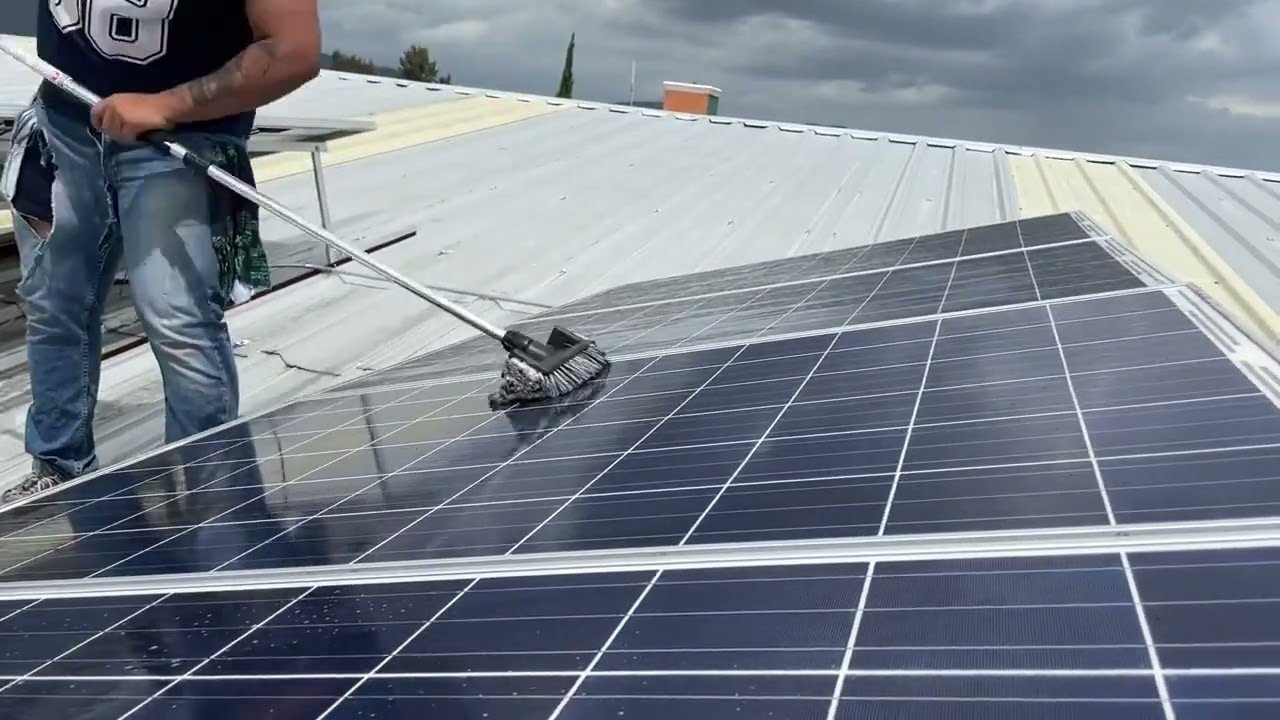
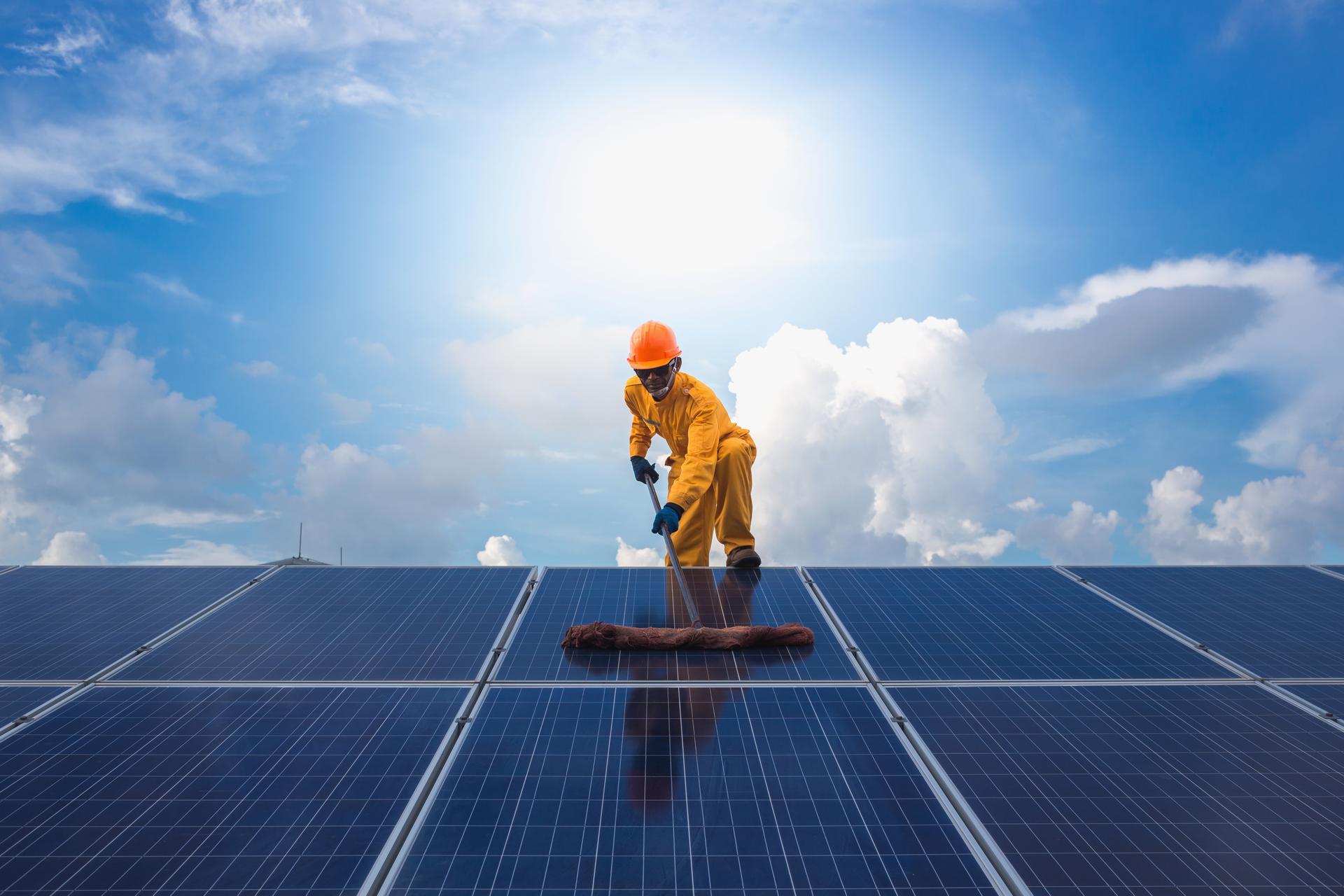
Routine inspections and timely cleaning can help prevent heavy buildup while supporting consistent system performance throughout the year.
Why More Homeowners Are Scheduling Seasonal Solar Panel Cleaning
Rather than waiting until energy production noticeably declines, many homeowners now treat solar panel cleaning the same way they approach other routine property maintenance.
Just as gutters, roofs, and HVAC systems benefit from regular inspections, solar panels also perform best when they’re kept free of excessive debris.
Seasonal maintenance is especially valuable after:
- Spring pollen season
- Summer dust storms
- Autumn leaf fall
- Wildfire smoke events
- Heavy bird activity
- Long dry periods without rain
By addressing buildup before it becomes severe, homeowners can help maintain more consistent energy production while protecting the long-term value of their solar investment.